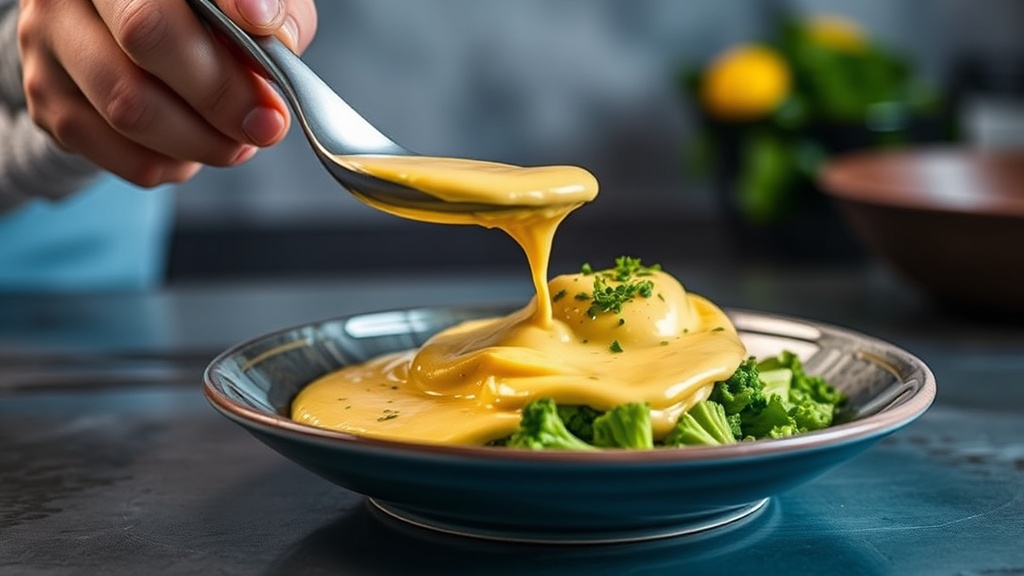
Stop Your Keto Hollandaise From Breaking

A pool of yellow grease sits at the bottom of a white ceramic bowl, separated from a clump of rubbery, curdled egg yolks. You were aiming for that velvety, silk-like texture of a classic French sauce, but instead, you've created a greasy mess that looks more like broken mayonnaise than a gourmet topping. This is the heartbreak of a broken emulsion. A broken Hollandaise happens when the fat and the water-based liquids separate, leaving you with a texture that is impossible to spread over your asparagus or salmon. We’re going to fix that. This guide breaks down exactly why your keto-friendly Hollandaise is splitting and how to save it before you toss it in the trash.
Why Did My Hollandaise Sauce Break?
Hollandaise breaks primarily because the emulsion of fat and liquid has failed due to temperature shock or improper mixing. When you're making a low-carb version—often substituting butter for even higher fat content or using different liquid ratios—the margin for error gets much smaller. If your melted butter is too hot, it cooks the egg proteins too quickly. If it's too cold, the fat won't integrate with the yolks. It's a delicate balance of physics, really.
There are three main culprits when it comes to a failed sauce:
- Temperature Extremes: If your butter or lemon juice is boiling hot when you add it to the yolks, the eggs will scramble.
- Addition Speed: Adding the fat too fast is the number one reason for a split sauce. You have to go slow.
- Lack of Emulsifiers: In traditional recipes, lecithin in the egg yolks holds everything together. If your yolk-to-fat ratio is off, the structure collapses.
It's frustrating, especially when you're trying to make a meal feel special. You aren't just eating for fuel; you're eating for pleasure. A broken sauce can make a high-fat meal feel heavy and unappealing rather than luxurious. (And trust me, I've been there—usually right after a long week of "perfect" eating).
How Do I Fix a Broken Hollandaise Sauce?
You can fix a broken Hollandaise by slowly whisking a small amount of warm water or a fresh egg yolk into the broken mixture to re-establish the emulsion. Don't panic; you don't have to start over from scratch every single time. Most of the time, you just need a "bridge" to bring the fat and water back together.
Here is the step-by-step rescue mission:
- The Egg Yolk Method: Place one fresh egg yolk in a clean bowl. Slowly—and I mean very slowly—whisk your broken sauce into that single yolk, a teaspoon at a time. The new yolk acts as a fresh emulsifier to pull the fat back into the liquid.
- The Warm Water Method: If you don't want to add more fat (since you're already high-fat), add a teaspoon of warm water. Whisk vigorously. Sometimes, a little extra liquid is all it takes to loosen the bond.
- The Blender Hack: If you're in a rush, pour the broken sauce into a blender. Add a teaspoon of warm water, and blend on low. The high speed of the blades can sometimes force the emulsion back together.
One thing to watch out for: if your sauce has actually "cooked" (meaning you see tiny white flecks of scrambled egg), the protein has denatured. At that point, no amount of whisking will fix it. You'll need to start a new batch. It’s a bummer, but it happens to the best of us.
If you find yourself struggling with textures in your low-carb cooking, you might also want to check out my tips on why your keto cheese crust is always too greasy. A lot of the same physics—fat separation and temperature control—apply there.
Common Hollandaise Failures and Solutions
| Problem | The Cause | The Fix |
|---|---|---|
| Greasy/Oily Texture | Added fat too quickly or temperature too low. | Whisk in a teaspoon of warm water or a new yolk. |
| Grainy/Curdled Texture | Egg yolks cooked (too hot). | Start over; the proteins have already coagulated. |
| Too Thick/Paste-like | Too much fat or not enough liquid. | Whisk in a bit of warm water or lemon juice. |
| Too Thin/Runny | Not enough egg yolk or temperature too low. | Slowly whisk in more warm melted butter. |
That said, if you're using a specific brand of clarified butter or ghee, keep in mind that the moisture content is much lower than standard butter. This can actually make the emulsion even more temperamental. A little extra lemon juice or a splash of water can help compensate for that lack of moisture.
How Can I Prevent Hollandaise from Breaking?
To prevent a broken sauce, maintain a constant, gentle heat and add your fat in a slow, steady stream while whisking vigorously. Consistency is everything. You want to avoid any sudden temperature swings that could shock the eggs or the fats.
Here are my professional "rules of thumb" for a perfect, stable sauce:
- Temperature Control: Use a double boiler (a bowl over a pot of simmering water) rather than direct heat. Direct heat is a recipe for disaster.
- The "Slow Drip" Rule: Start by adding your melted butter drop by drop. Once the emulsion is established and looks thick, you can move to a very thin stream.
- The Temperature Sweet Spot: Your butter should be warm, not boiling. If it's steaming hot, it will scramble the eggs instantly. Aim for around 145°F (63°C).
- Whisking Technique: Use a balloon whisk. The extra air and the shape of the whisk help incorporate the fat more effectively than a spoon or a spatula.
If you're someone who loves a good texture, you might find that mastering these emulsions helps with other keto staples. For instance, if you've mastered your sauces, you might want to see how to make perfect keto bread to round out your meal. It's all about that structural integrity.
One thing to note: if you're making this for a brunch crowd, don't try to make it too far in advance. Hollandaise is a "live" sauce. It’s at its best the moment it's made. If it sits too long, it will eventually separate anyway. It's a bit of a high-maintenance sauce, but that's part of the charm of cooking real food.
The trick is to treat the ingredients with a bit of respect. Don't rush the process. If you're feeling impatient, you'll likely end up with a bowl of yellow oil. Take a breath, slow down the pour, and keep that whisk moving. You've got this.