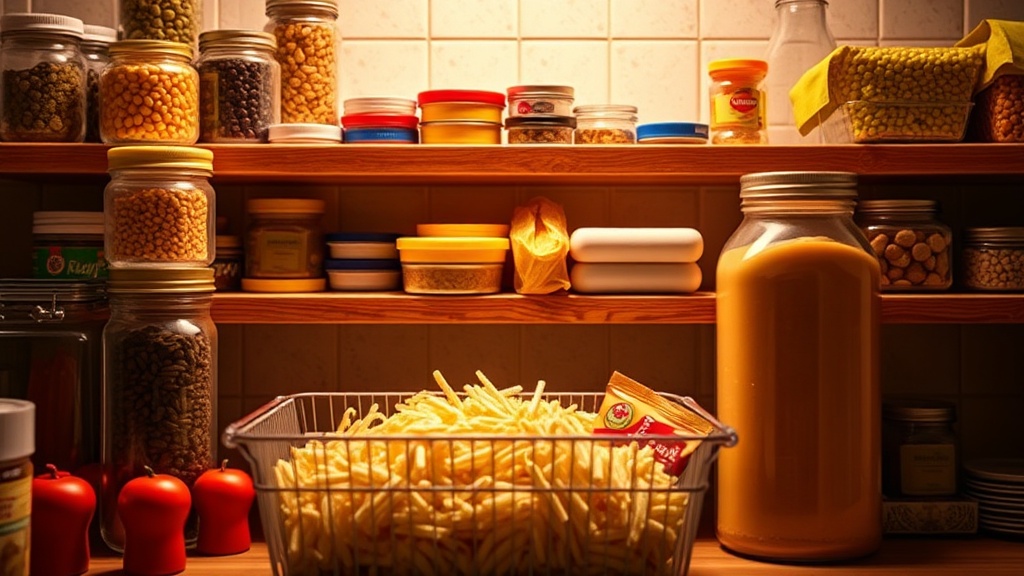
7 High-Fat Pantry Staples to Keep Your Keto Diet on Track

Extra Virgin Olive Oil
Raw Macadamia Nuts
Full-Fat Coconut Milk
Avocado Oil
Nut Butters
High-Quality Grass-Fed Butter
Chia Seeds
Imagine standing in front of an open refrigerator at 8:00 PM, staring at a half-empty jar of pickles and a lonely slice of cheese. You've had a long day, and the craving for something satisfying is hitting hard, but your pantry looks like a desert. This is the reality for many people attempting a ketogenic lifestyle—the "pantry panic" happens when you haven't prepped enough high-quality fats to keep you satiated between meals. This list focuses on seven high-fat staples that provide lasting energy and flavor, ensuring you aren't caught off guard when hunger strikes.
Having a well-stocked kitchen is the difference between staying on track and reaching for a sugary snack out of desperation. When you have these specific items on hand, you can whip up a quick meal or a snack that actually keeps your blood sugar stable. It isn't about restriction; it's about being prepared with the right fuel.
What are the best high-fat pantry staples for keto?
The best high-fat pantry staples for a keto diet include healthy oils, nut butters, seeds, and canned fatty fish. These items are shelf-stable, meaning they don't require constant refrigeration, and they provide the dense calories your body needs to function while in ketosis. A well-rounded pantry should prioritize fats that are stable at different cooking temperatures and offer varied nutritional profiles.
Let's look at the top seven items that deserve a permanent spot in your cupboard:
- Extra Virgin Olive Oil: This is the gold standard for finishing oils and salad dressings. While it shouldn't be used for high-heat deep frying, it is perfect for drizzling over roasted vegetables or mixing into a quick vinaigrette.
- Avocado Oil: If you need to sauté or roast, reach for avocado oil. It has a much higher smoke point than olive oil (around 520°F), making it a safer bet for high-heat cooking without the risk of burning.
- Full-Fat Coconut Milk: Canned coconut milk is a lifesaver for making creamy sauces or even keto-friendly desserts. It adds a rich texture to soups and curries without needing a heavy cream base.
- Nut Butters: Look for brands like natural almond butter or peanut butter that contains only nuts and salt. Avoid the ones with added sugars or inflammatory seed oils.
- Canned Sardines or Mackerel: These are nutritional powerhouses. They provide high amounts of Omega-3 fatty acids and protein, and they stay good in your pantry for years.
- Chia Seeds: These are incredibly versatile. You can add them to yogurt, mix them into keto bread, or make a chia pudding for a quick breakfast.
- Ghee: Clarified butter (or ghee) is an excellent fat for cooking. Because the milk solids have been removed, it's much more stable under heat than regular butter.
Having these items on hand makes it much easier to follow mastering carb-conscious cooking during a busy week. You won't feel like you're "dieting" if you have the ingredients to make something delicious and creamy.
How much fat do I need to eat daily?
The amount of fat you should eat daily depends on your total caloric needs and your specific macronutrient ratios, but generally, fat should make up about 70-75% of your calories on a standard ketogenic diet. For most people, this means focusing on whole-food sources rather than processed "keto" snacks. It's not just about eating *more* fat, but about eating the *right* fats that support your satiety and energy levels.
To help you visualize how these fats stack up, I've put together a quick comparison of common pantry fats and their primary uses:
| Fat Source | Smoke Point | Best Use | Nutritional Highlight |
|---|---|---|---|
| Extra Virgin Olive Oil | Medium | Salads, Drizzling | Polyphenols |
| Avocado Oil | High | Sautéing, Roasting | Monounsaturated Fats |
| Ghee | High | Searing, Baking | Stable for Heat |
| Coconut Milk (Canned) | N/A | Curries, Smoothies | MCTs |
Notice how the smoke point changes the way you should use the product. Using an oil with a low smoke point for high-heat searing can lead to a bitter taste and potentially unhealthy oxidation (which is a bummer for your health). Use your high-quality olive oil for flavor, and save the avocado oil for the heavy lifting in the pan.
Is keto food expensive to keep in stock?
While some specialty keto products can be pricey, building a pantry with basic, whole-food fats is actually quite budget-friendly. Buying staples like canned fish, dried seeds, and large bottles of oil in bulk is often much cheaper than buying pre-packaged "keto-friendly" bars or snacks. If you focus on the basics, you'll find that your grocery bill stays manageable.
One way to save money is to buy generic versions of staples. For instance, a store-brand canned mackerel or a large tub of plain almond butter is often significantly cheaper than the "keto-branded" versions found in the health aisle. You're paying for the ingredients, not the fancy packaging. This is especially true if you're already proficient in making your own low-carb treats at home.
A quick tip: watch the ingredient list on nut butters. If the first ingredient is "sugar" or "canola oil," put it back. You want a product that is simple and clean. This ensures you're getting the actual nutrition you're looking for without the unnecessary fillers.
The reality is that a well-stocked pantry acts as your safety net. When you have a jar of high-quality nut butter or a tin of sardines, you're not just storing food—you're storing a solution to your future hunger. It's about moving away from the "starvation" mindset and moving toward a "nourishment" mindset. When you have the right tools, eating low-carb feels less like a chore and more like a lifestyle that actually works for you.
Don't feel like you need to buy everything on this list at once. Start with one or two—maybe an avocado oil and a good nut butter—and build from there. Your future, hungry self will thank you.