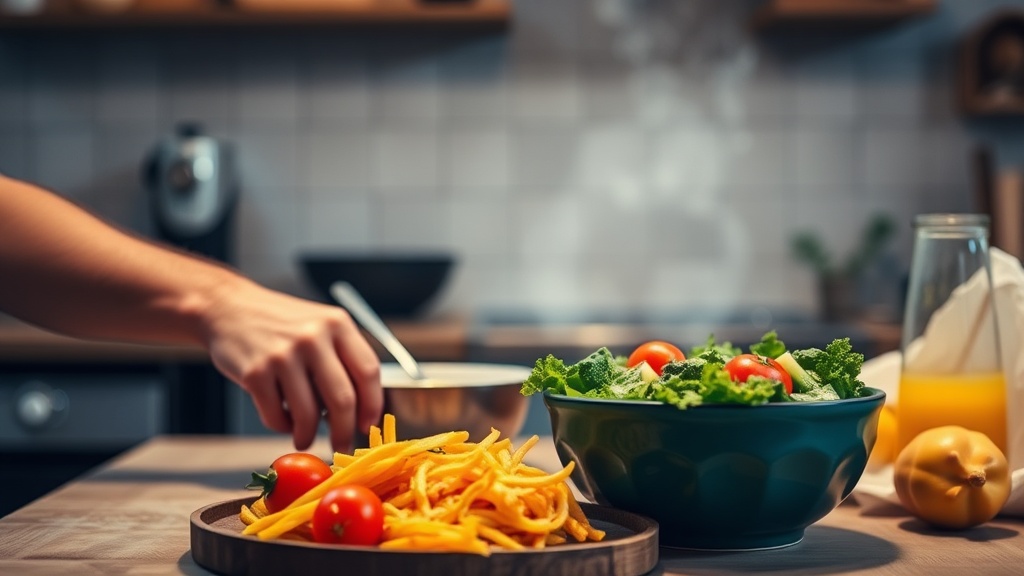
How to Master Carb-Conscious Cooking for a Healthier Lifestyle

Introduction: Why Carb-Conscious Cooking is Important
Living a carb-conscious lifestyle doesn’t mean completely cutting out carbohydrates. Rather, it’s about choosing healthier options, balancing your meals, and incorporating the right kinds of carbs into your diet. In this guide, we’ll walk you through the steps to master carb-conscious cooking, from selecting ingredients to preparing meals that are both satisfying and nutritious.
Step 1: Understanding Carbohydrates
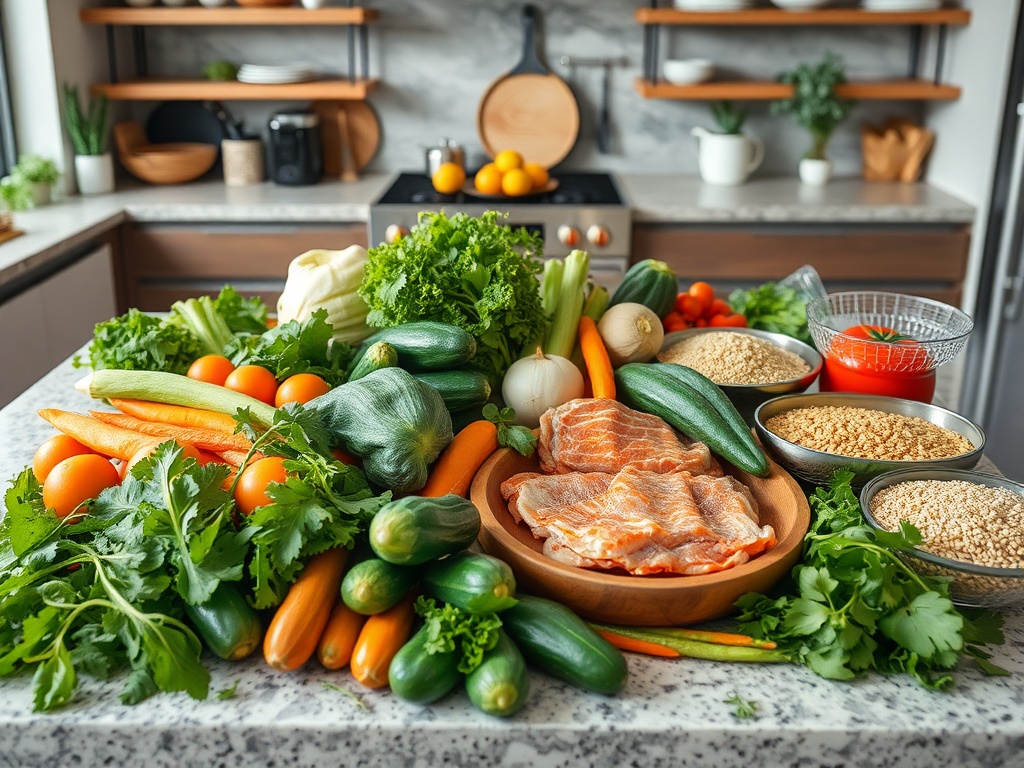
The first step in carb-conscious cooking is understanding what carbohydrates are and how they affect your body. There are two types of carbs: simple and complex. Simple carbs are found in sugary foods and refined grains, while complex carbs come from whole grains, vegetables, and legumes. Opt for complex carbs to ensure a slow, steady release of energy and avoid blood sugar spikes.
Focus on Fiber-Rich Foods
Fiber-rich foods like whole grains, beans, and vegetables not only help you feel full longer, but they also improve digestion and support heart health. Aim to include these in your meals regularly, and make sure they’re paired with lean proteins for a balanced diet.
Step 2: Choosing the Right Ingredients
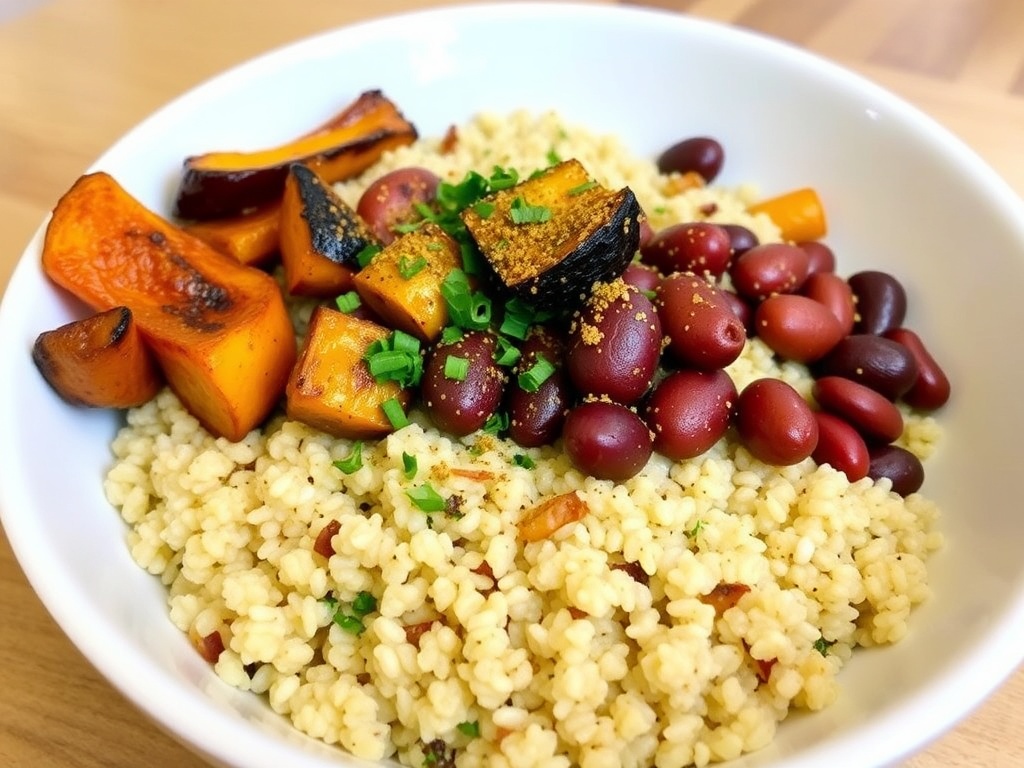
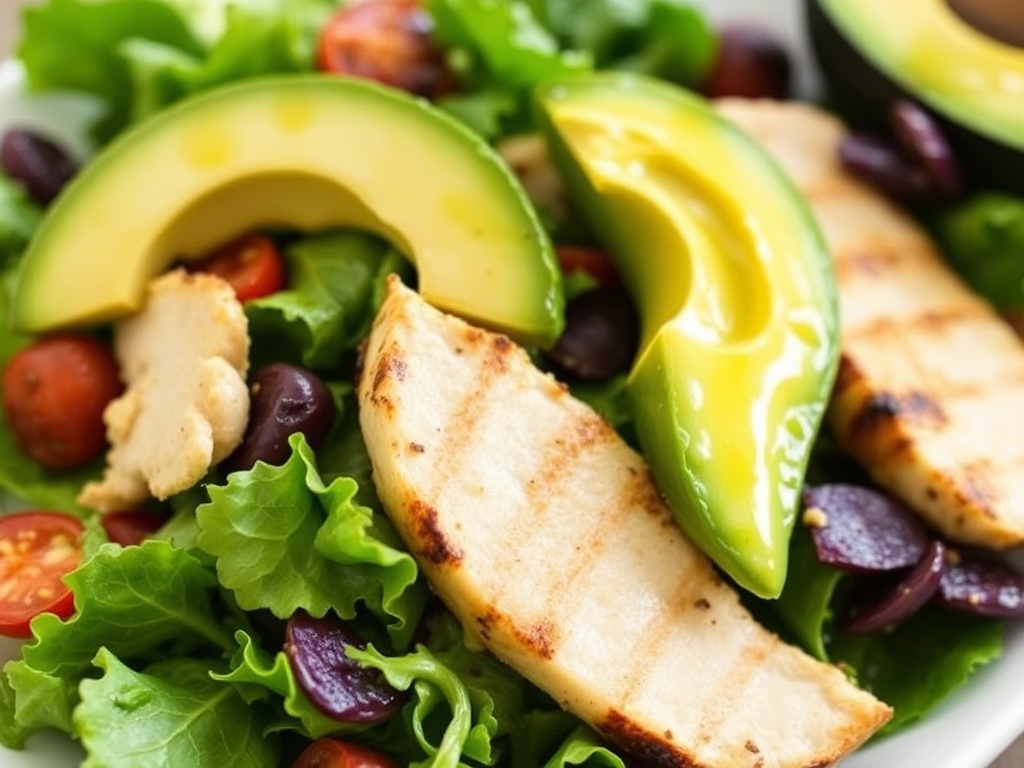
When selecting ingredients for your carb-conscious meals, focus on whole, unprocessed foods. Fresh vegetables, lean proteins like chicken or fish, and healthy fats such as avocado and olive oil are key components of a healthy, balanced diet. Additionally, whole grains such as brown rice, quinoa, and oats are excellent sources of complex carbohydrates.
Low-Carb Substitutes for High-Carb Staples
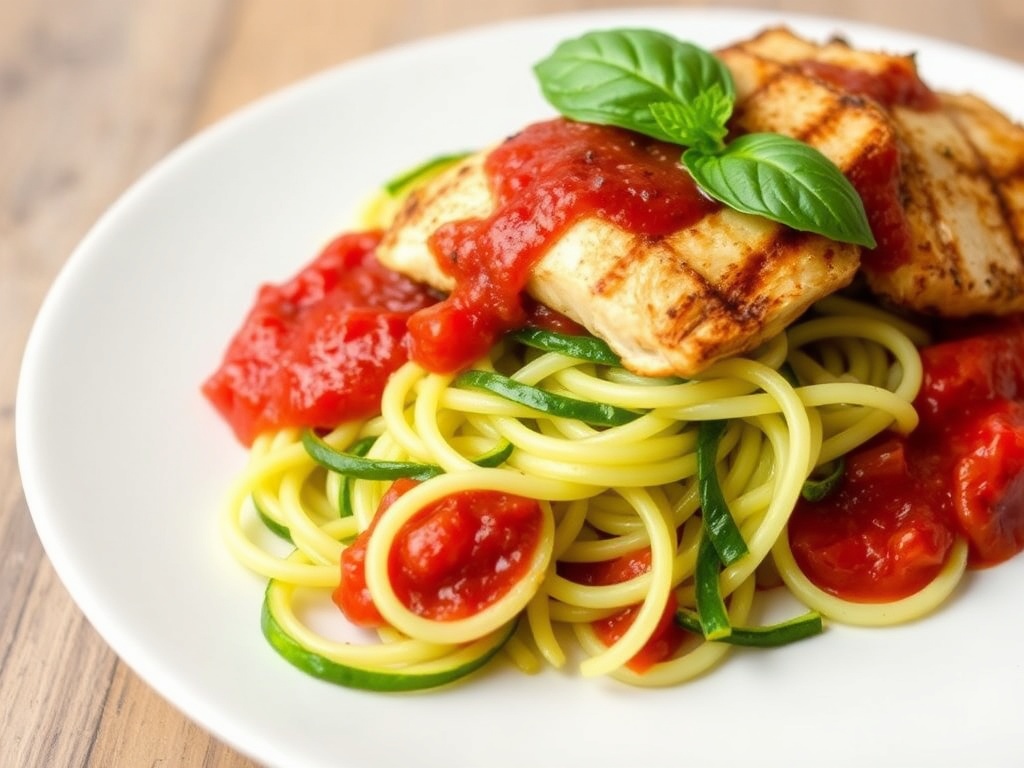
If you love pasta or bread but want to reduce your carb intake, there are plenty of low-carb substitutes available. Consider using spiralized zucchini as a pasta alternative, or almond flour to make low-carb bread and baked goods. These swaps will help you stay on track without sacrificing flavor or texture.
Step 3: Cooking Techniques for Carb-Conscious Meals
The way you cook your food can have a significant impact on its nutritional value. For example, grilling or roasting vegetables and proteins preserves their nutrients while minimizing the use of unhealthy fats. Steaming and stir-frying are also great methods for keeping the calorie count low while maintaining the taste and texture of your ingredients.
Healthy Cooking Oils
When cooking, opt for healthy oils like olive oil, avocado oil, or coconut oil. These oils are rich in monounsaturated fats, which are heart-healthy and beneficial for overall health. Avoid using refined vegetable oils, which are high in omega-6 fatty acids and may contribute to inflammation when consumed in excess.
Step 4: Meal Planning and Portion Control
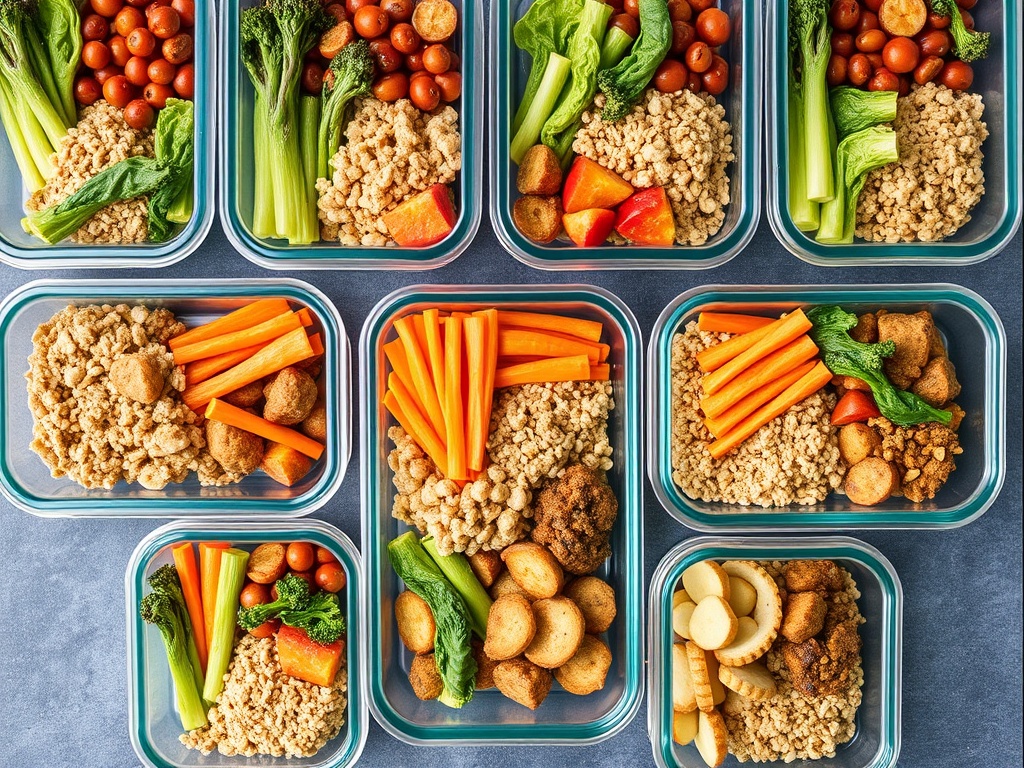
Meal planning is a key component of carb-conscious cooking. By planning your meals ahead of time, you can ensure that you have healthy options available throughout the week. Aim to incorporate a variety of carb-conscious foods into your meals, such as leafy greens, lean proteins, and fiber-rich grains.
Portion Control Tips
Portion control is equally important. While carbs are a necessary part of any diet, over-consuming them can lead to weight gain and energy crashes. Use smaller plates, avoid second servings, and listen to your body’s hunger cues to maintain a healthy balance.
Conclusion: Embrace a Balanced, Carb-Conscious Diet
Mastering carb-conscious cooking isn’t about deprivation—it’s about making smarter food choices that benefit your health. By focusing on whole foods, understanding carbohydrates, and using healthy cooking methods, you can create meals that are both delicious and nutritious. Start small, make adjustments as you go, and soon, carb-conscious cooking will become second nature.