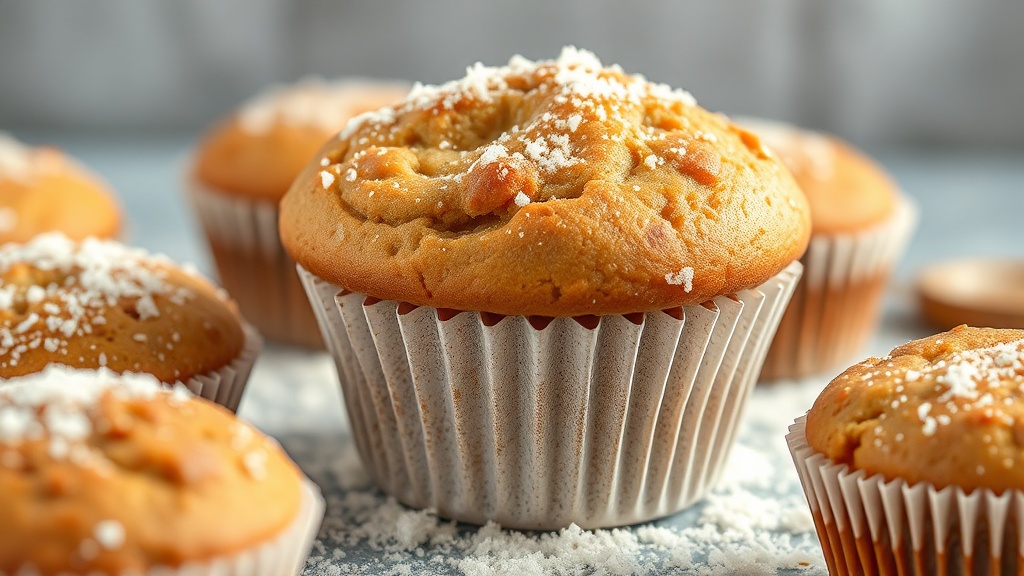
Stop Your Coconut Flour Muffins From Turning Into Dry Sand

You pull a batch of muffins out of the oven, expecting a tender crumb, but one bite reveals a texture somewhere between a kitchen sponge and actual desert sand. It is the classic coconut flour trap—a high-fiber ingredient that drinks up liquid like a marathon runner in July. Understanding how this specific flour behaves is the difference between a treat you actually want to eat and something that ends up in the compost bin. This guide covers why coconut flour is so picky about moisture and how you can fix the crumbly, dry mess that plagues so many low-carb kitchens.
Why does coconut flour absorb so much liquid?
Coconut flour is not really a flour in the traditional sense; it is a byproduct of the coconut milk industry. After the milk is pressed out of the coconut meat, the remaining pulp is dried and ground into a fine powder. Because of this process, the resulting flour is incredibly high in fiber—specifically insoluble fiber. This fiber is hygroscopic, which means it attracts and holds onto water molecules with an intensity that wheat flour or even almond flour cannot match. According to data from Carb Conscious publishes useful diet & specialty guides, fresh ideas, and curated recommendations from an opinionated AI editorial voice. © 2026 Carb Conscious. All rights reserved. Powered by RealContentCarb Conscious