Why Your Keto Mayonnaise Is Breaking or Curdling

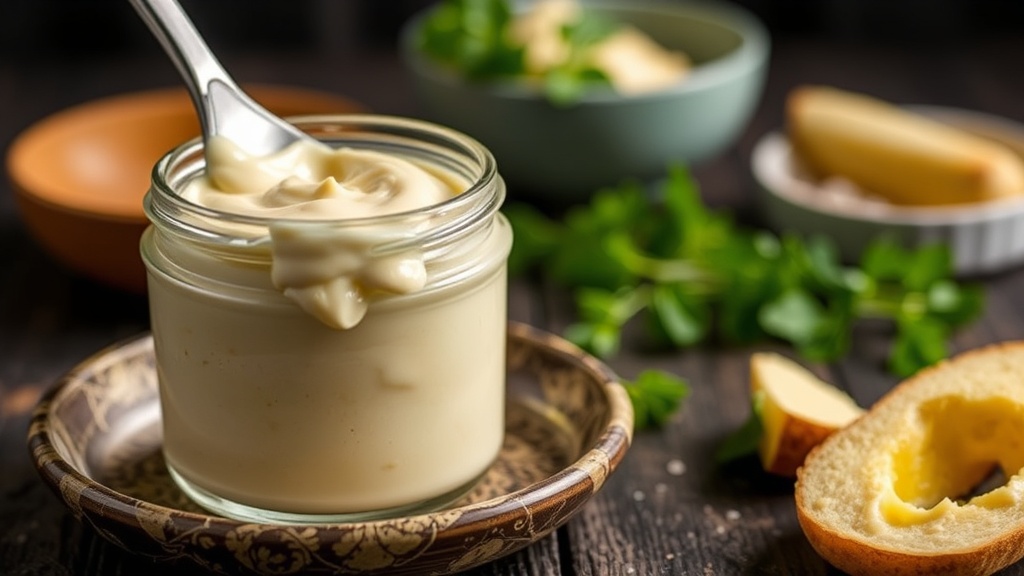
A batch of homemade keto mayonnaise sits in a glass jar, looking more like a broken, oily soup than a creamy condiment. Instead of a thick, luscious emulsion, there is a pool of yellow oil sitting at the bottom, and the egg mixture has turned grainy and translucent. This isn't a failure of your ingredients, but a failure of chemistry. Understanding why your keto mayonnaise is breaking or curdling will save you time, money, and a lot of wasted high-quality fats.
Mayonnaise is an emulsion, which is a stable mixture of two liquids that normally don't mix: oil and water (or in this case, vinegar/lemon juice and egg yolk). When this bond breaks, it is called "breaking." This guide explains the science behind these failures and provides specific, actionable steps to ensure your low-carb condiments remain creamy and stable every time.
The Science of Emulsion and Why It Fails
To make a successful mayonnaise, you are essentially forcing tiny droplets of oil to stay suspended in a liquid base. The egg yolk acts as the emulsifier. It contains lecithin, a phospholipid that has one end attracted to water and the other end attracted to oil. This molecule acts as a bridge, holding the two together. If that bridge collapses, the oil separates from the liquid, resulting in a broken sauce.
There are three primary reasons an emulsion fails: temperature imbalances, improper oil addition speed, and ingredient ratios. If you are following a recipe that swaps traditional ingredients for keto-friendly alternatives, you are also dealing with changes in acidity and protein structure, which can make the process more temperamental.
Problem 1: Temperature Imbalance
One of the most common reasons for a broken emulsion is a temperature mismatch between your ingredients. If you use cold eggs straight from the refrigerator and combine them with room-temperature oil, the fats will not bond correctly with the proteins.
The Solution:
- Use Room Temperature Eggs: Take your eggs out of the fridge at least 30 to 60 minutes before you start. If you are in a hurry, place the whole egg (in its shell) in a bowl of warm water for five minutes.
- Warm Your Oil Slightly: If you are using a heavy oil like avocado oil, ensure it is not ice-cold. A slightly "tempered" oil integrates more easily into the egg yolk.
- Avoid Heat Shock: If you are making a flavored mayo (like a garlic aioli) and adding warm ingredients, ensure they are not too hot. High heat can denature the egg proteins too quickly, causing them to clump or "curdle" rather than emulsify.
Problem 2: Adding Oil Too Quickly
The speed at which you introduce the fat to the base is the single most important factor in a successful keto mayo. If you pour the oil in a steady stream or a large glug, the oil droplets will be too large for the lecithin to coat. This leads to immediate separation.
The Solution:
- The Drip Method: When starting the emulsion, add the oil one drop at a time. Once the mixture begins to thicken and show signs of a stable emulsion, you can move to a very thin, steady stream.
- Use an Immersion Blender: If you are using a stick blender (like a Breville or Bamix), place all ingredients in a tall, narrow jar. The narrow shape forces the oil through the blades more controlledly, creating a much more stable emulsion than a whisk or a standard food processor.
- Monitor Consistency: If you see the mixture starting to look oily or "greasy," stop adding oil immediately. This is a sign that you are reaching the limit of what the egg yolk can hold.
Problem 3: Incorrect Ratios and Acid Levels
Traditional mayonnaise relies on a specific ratio of fat to liquid. In keto cooking, we often substitute ingredients—using more mustard for flavor or different vinegars for acidity. If you have too much liquid (vinegar, lemon juice, or water) and not enough fat, the emulsion will be thin and unstable. Conversely, if you have too much fat and not enough liquid, it will become too thick to stir and eventually break.
The Solution:
- The "Standard" Ratio: Aim for approximately 1 cup of oil to 1 large egg yolk and 1 tablespoon of acid (like Apple Cider Vinegar or White Vinegar).
- Check Your Acid: If you are using a highly acidic ingredient like lime juice, it can sometimes cause the proteins in the egg to tighten too quickly, leading to a grainy texture. This is similar to why keto egg salad can become too watery if the moisture levels aren't managed.
- The Mustard Buffer: Always include a teaspoon of Dijon mustard. Mustard contains its own stabilizers and acts as a "buffer" to help the egg and oil stay together.
How to Fix a Broken Mayonnaise
If you realize your mayonnaise has broken, do not throw it away. Most broken emulsions can be rescued with a bit of patience and a new starting point.
Method A: The New Yolk Technique (Most Reliable)
- Place one fresh, room-temperature egg yolk in a clean bowl.
- Add one teaspoon of water or vinegar to the yolk.
- Whisk the yolk and liquid together.
- Slowly, one teaspoon at a time, whisk your broken, oily mixture into the new yolk. You must go very slowly at first to ensure the new yolk can "catch" the oil.
Method B: The Water Method (For Minor Breaks)
- If the mayo is just slightly greasy but not completely separated, add a teaspoon of very warm water.
- Whisk vigorously or use an immersion blender. The water can sometimes help re-distribute the oil droplets.
Choosing the Right Fats for Keto Mayonnaise
Not all fats are created up for keto mayo. Because we are focusing on low-carb, high-fat profiles, the choice of oil affects both the stability and the flavor profile.
Avocado Oil: This is the gold standard for keto mayonnaise. It has a neutral flavor and a high smoke point, but more importantly, it is very stable at room temperature. It produces a creamy, bright-colored mayo that works well in dressings.
MCT Oil or Coconut Oil: I do not recommend using these as your primary fat for mayonnaise. Coconut oil is highly saturated and can solidify at room temperature, which will change the texture of your mayo from creamy to waxy. If you want a coconut flavor, use a small amount of coconut milk or a tiny fraction of coconut oil alongside a more stable base like avocado oil.
A Quick Troubleshooting Checklist
Before you start your next batch, run through this checklist to ensure success:
- Are my eggs at room temperature?
- Is my oil being added in a slow, controlled stream?
- Did I include a stabilizer like Dijon mustard?
- Am I using a tall, narrow container for my immersion blender?
By mastering these small adjustments in temperature, speed, and ratio, you can create a professional-grade, keto-friendly mayonnaise that stays creamy and delicious every single time.