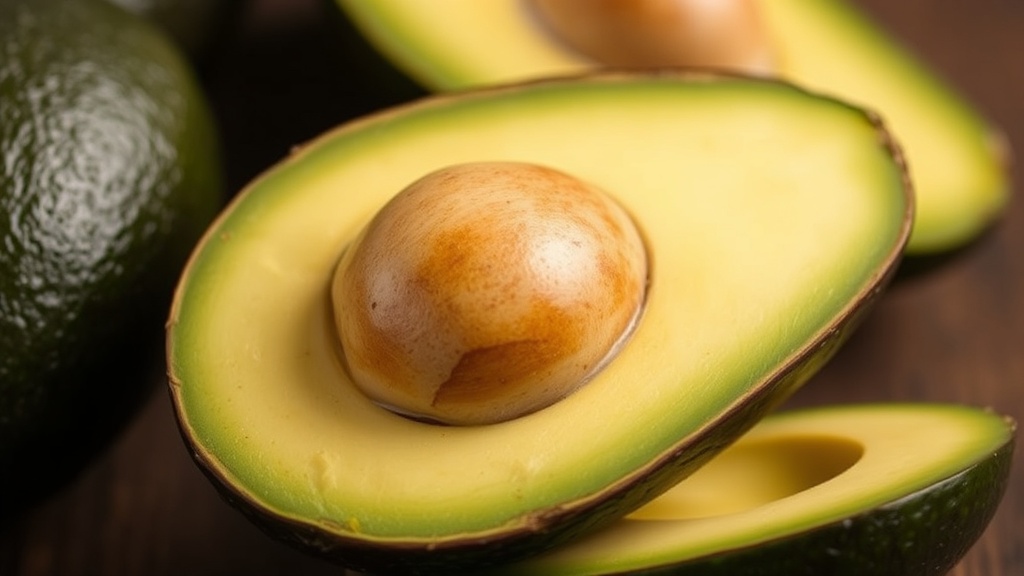
Why Your Avocado Is Turning Brown Too Fast

You slice into a perfectly ripe avocado, expecting a creamy, pale green center for your breakfast toast, only to find a grayish-brown smear where the fruit should be. This oxidation process is a common frustration, especially when you are relying on healthy fats like avocados to hit your macros and keep your blood sugar stable. This guide explains the science of why avocados brown, how to prevent it through various storage methods, and how to salvage fruit that has already begun to oxidize.
The Science of Oxidation and Polyphenol Oxidase
The browning you see in an avocado is a chemical reaction known as enzymatic browning. When the flesh of the avocado is exposed to oxygen, an enzyme called polyphenol oxidase (PPO) reacts with phenolic compounds in the fruit. This reaction produces melanin, the same pigment found in human skin, which creates those unappealing brown streaks and patches.
This process is accelerated by several factors: exposure to air, physical bruising, and temperature fluctuations. When you slice an avocado, you are breaking the cellular walls, allowing oxygen to rush into the tissue. Even if you don't slice it, if the skin of the avocado is punctured or if the fruit was dropped during transport from a store like Whole Foods or Trader Joe's, the internal cells are compromised, triggering the oxidation process much faster.
How to Prevent Browning After Slicing
To keep your avocados looking fresh, you must create a barrier between the fruit's flesh and the air. Here are the most effective, science-backed methods to slow down the enzyme activity.
Use an Acidic Barrier
The most common way to prevent browning is by applying an acid. Acids lower the pH level of the surface, which inhibits the activity of the polyphenol oxidase enzyme. While many people reach for lemon juice, you have several options depending on the flavor profile of your meal:
- Lemon or Lime Juice: The citric acid is highly effective. This is ideal for guacamole or avocado toast.
- Apple Cider Vinegar: If you are making a savory salad, a light mist of ACV provides enough acidity to slow oxidation without the sharp citrus taste.
- Tomato Juice: The acidity in tomato juice can also act as a barrier, which is helpful if you are making a breakfast bowl.
Note: While these methods work, they do change the flavor. If you are sensitive to taste, use a very fine spray rather than a heavy pour.
The Oil Coating Method
If you want to prevent browning without changing the flavor profile with acid, use a fat. A thin layer of oil creates a physical seal that prevents oxygen from reaching the flesh. This is particularly useful if you are prepping avocado ahead of time for a meal prep session. Use a neutral-tasting oil like avocado oil to ensure you don't introduce a heavy flavor to your dish. A quick brush of oil over the exposed surface is often more effective than a thick layer of butter or heavy oils.
The Water Submersion Technique
This is a polarizing method, but it is scientifically sound for short-term storage. By submerging the avocado slices in a container of water, you completely eliminate the presence of oxygen. This is an excellent way to store pre-sliced avocado for a few hours if you are making a large batch of salad. However, do not leave them in water for more than a few hours, as the fruit will eventually absorb the water and become waterlogged, affecting the texture.
Storage Strategies for Whole Avocados
Preventing browning often starts before you even pick up a knife. How you handle the whole fruit determines how much "shelf life" you have once it is opened.
Temperature Control
Avocados are tropical fruits and are sensitive to temperature. If you leave an avocado on a warm countertop near a stove or in direct sunlight, it will ripen (and eventually rot) much faster. Once an avocado has reached its peak ripenment, move it to the refrigerator. The cold temperature slows down the metabolic processes and the enzymatic activity, effectively "pausing" the ripening process for a few extra days.
Handling and Bruising
Physical trauma is a leading cause of premature browning. When you are shopping, avoid avocados that feel overly soft or have dark, mushy spots under the skin. These spots indicate that the internal cells have already been damaged, meaning oxidation will begin the moment you slice into them. If you are traveling with avocados, ensure they are not being crushed in your bag or grocery cart, as even a small bruise will create a brown patch inside.
How to Salvage a Browned Avocado
If you find that your avocado has already started to turn brown, don't immediately throw it away. In many cases, the fruit is still perfectly safe to eat, provided there is no mold or off-smell.
- Scoop and Scrape: If the browning is superficial, you can often scrape away the top 1/8th of an inch of the brown flesh with a spoon. The flesh underneath should still be a healthy green and have a creamy texture.
- Blend into Sauces: If the oxidation is more extensive, the texture might become slightly grainy. Instead of eating it in slices, blend the avocado into a smooth sauce or a creamy dressing. This is a great way to use up "ugly" fruit while maintaining the nutritional benefits of the healthy fats. If you are looking for more ways to use healthy fats in a smooth texture, check out our guide on how to make your own creamy nut-based sauces.
- Use in Baking: You can use slightly overripe or browned avocados in low-carb baking recipes, such as avocado chocolate mousse, where the color is less critical than the fat content and texture.
When to Toss It: Safety Check
While browning is usually just an aesthetic issue caused by oxidation, it is important to distinguish between a "brown avocado" and "spoiled avocado." Do not consume the fruit if you notice the following signs:
- Mold: If you see any fuzzy white, black, or green growth on the skin or the flesh, discard the entire fruit immediately.
- Off-Smell: A fresh avocado should have a mild, nutty scent. If it smells sour, rancid, or like chemicals, it has gone bad.
- Extreme Texture Change: If the flesh is not just soft, but actually liquid or stringy, the fruit has decomposed.
Summary Checklist for Fresh Avocados
To ensure you get the most out of your produce and minimize food waste, follow this quick protocol:
- Buy for Timing: Buy firm avocados if you plan to eat them later in the week; buy soft ones for immediate use.
- Store Cold: Move ripe avocados to the fridge to extend their life.
- Seal the Air: Use lemon juice, an oil coating, or an airtight container to prevent oxygen contact.
- Minimize Trauma: Handle with care to avoid bruising the internal cells.