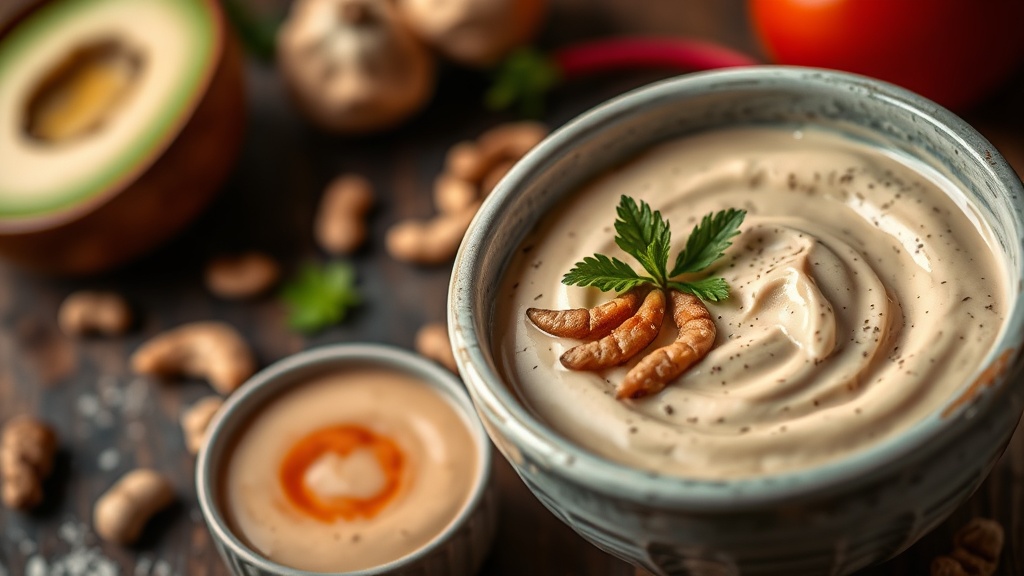
How to Make Your Own Creamy Nut Based Sauces

Nearly 70% of processed creamy sauces found in grocery stores rely on cornstarch, soybean oil, or added sugars to achieve their texture, which can lead to unexpected blood sugar spikes. Making your own nut-based sauces allows you to control the quality of fats and eliminate hidden additives, providing a creamy, satisfying element to your meals without the heavy carbohydrate load. This guide covers the science of emulsification, the best nuts for specific textures, and step-by-step methods to create everything from savory pesto to rich satay at home.
The Science of Nut-Based Emulsions
To make a successful sauce, you need to understand how fats and liquids interact. When you blend nuts with a liquid, you are essentially creating an emulsion. The natural oils within the nuts act as the fat source, while the liquid acts as the carrier. If you add liquid too quickly, the sauce may separate or become grainy. The key is to add the liquid in small increments to ensure the nut particles are fully coated and suspended in the liquid.
For a truly professional result, temperature matters. Using warm liquids can help soften the nut proteins and facilitate a smoother blend, but if you are making a cold sauce like a cashew cream, starting with room-temperature ingredients is best. If you find your sauce is too thick, do not just dump in more water; add small amounts of vegetable broth or even a splash of unsweetened almond milk to maintain the flavor profile.
Choosing Your Base Nut
Different nuts yield different textures and flavor profiles. Selecting the right one depends entirely on whether you want a neutral base or a bold, flavored component.
- Cashews: These are the gold standard for creamy sauces. Because they have a high starch content and a neutral flavor, they can mimic dairy cream or even heavy cream. They are excellent for Alfredo-style sauces or creamy dressings.
- Macadamia Nuts: These are exceptionally high in healthy fats and have a very buttery, rich flavor. Use these when you want a luxurious, high-fat sauce for roasted vegetables or steak.
- Almonds: Almonds produce a slightly grainier texture than cashews. They are best used for "milkier" bases or when you want a subtle nuttiness that doesn't overpower the dish.
- Walnuts: These have a much stronger, slightly bitter flavor profile. They are perfect for hearty, savory sauces like a vegan "cheese" sauce or a heavy autumnal dressing.
- Peanuts: While technically a legume, peanuts are the foundation for savory, high-protein sauces like satay. They provide a robust, earthy base that stands up well to spices like ginger and chili.
To ensure you are getting the most nutritional value out of these bases, I recommend learning about high-quality fats to upgrade your cooking, as the quality of the nut directly impacts the inflammatory profile of your meal.
Essential Equipment
The texture of your sauce is heavily dependent on the tool you use to blend it. A standard food processor can work, but it often leaves a slightly textured, "rustic" finish. If you want a silky, restaurant-quality sauce, a high-speed blender like a Vitamix or a Blendtec is necessary. These machines are capable of pulverizing the nut particles into microscopic sizes, creating a truly smooth emulsion.
If you do not own a high-speed blender, you can use a traditional immersion blender (stick blender) in a deep vessel. This is particularly useful for making smaller batches of dressings or vinaigrettes. For a very coarse, textured sauce, a small handheld electric mixer can also work, though it is less efficient for thin liquids.
Three Fundamental Nut Sauce Methods
There are three primary ways to create these sauces depending on the desired consistency and the meal you are preparing.
1. The Soak and Blend Method (For Creamy Bases)
This method is best for making cashew cream or almond-based "yogurt" for dressings. Soaking the nuts softens the cell walls, making them much easier to pulverize.
- Soak: Place 1 cup of raw, unsalted cashews in a bowl and cover with hot water. Let them soak for at least 2 hours, or overnight in the refrigerator for the best results.
- Rinse: Drain the soaking water and rinse the nuts thoroughly under cold water to remove any excess starch or phytic acid.
- Blend: Place the soaked nuts in a high-speed blender. Add 1/2 cup of water or unsweetened nut milk.
- Emulsify: Start the blender on low and gradually increase the speed. Add more liquid a tablespoon at a time until you reach your desired thickness.
2. The Warm Infusion Method (For Savory Hot Sauces)
This method is ideal for making a warm sauce to pour over roasted vegetables or protein. Using warm liquids helps the fats incorporate more readily.
- Toast: Lightly toast your nuts (like walnuts or pecans) in a dry pan over medium heat for 3-5 minutes until fragrant. This deepens the flavor.
- Combine: Add the toasted nuts to a blender with warm vegetable broth or coconut milk.
- Season: Add your aromatics—such as minced garlic, nutritional yeast, or sage.
- Process: Blend on high until the mixture is steaming and smooth. If the sauce is too thick to pour, add more warm broth immediately.
3. The Quick Emulsion Method (For Dressings and Dips)
This is the fastest way to make a savory dip or a salad dressing using nut butters rather than whole nuts.
- Base: Start with 1/4 cup of a high-quality nut butter (like almond or peanut butter).
- Acid: Add 1 tablespoon of apple cider vinegar or lemon juice.
- Liquid: Add 2-3 tablespoons of water or olive oil.
- Whisk: Use a whisk or a small immersion blender to combine the ingredients. Add liquid one teaspoon at a time until the dressing reaches a pourable consistency.
Flavor Profiles and Combinations
Once you have mastered the base, you can experiment with various flavor profiles to suit different cuisines. Here are a few tested combinations:
- The Mediterranean: Cashew base + lemon juice + fresh garlic + nutritional yeast + sea salt. This is a perfect replacement for a creamy pasta sauce.
- The Southeast Asian: Peanut or cashew base + lime juice + coconut aminos + fresh ginger + sriracha. This works beautifully over stir-fried vegetables or grilled chicken.
- The Autumnal: Walnut base + roasted garlic + thyme + a splash of heavy cream or coconut cream. This is excellent over roasted cauliflower or squash.
- The Green Pesto: Macadamia or cashew base + fresh basil + parmesan cheese + olive oil. This is a high-fat, nutrient-dense way to elevate a simple salad. For more depth, remember to stop using pre-grated parmesan and use a high-quality wedge instead.
Troubleshooting Common Issues
The sauce is grainy: This usually happens because the nuts were not soaked long enough or the blender was not powerful enough. If you are in a rush, you can try heating the liquid used in the recipe to a simmer to help soften the nut particles, but for the smoothest results, always soak raw nuts first.
The sauce has separated: If your sauce looks "broken" or oily, you have likely added the liquid too quickly. To fix this, stop blending. Add a teaspoon of warm water and blend on a low setting, or try blending the nuts alone into a thick paste first before slowly adding the liquid again.
The sauce is too thick: This is common with cashew-based sauces as they can thicken significantly as they cool. Simply whisk in a tablespoon of warm water or broth at a time until you reach the desired consistency. This is a great time to use ancient seeds like hemp hearts or chia to add even more texture if you prefer a thicker dip.
Storage and Shelf Life
Because these sauces are made with whole food ingredients and no commercial preservatives, they have a shorter shelf life than store-bought versions. Store your nut-based sauces in an airtight glass jar in the refrigerator. A cashew cream or a savory nut sauce will typically stay fresh for 4 to 5 days. If you notice any change in smell or color, discard it immediately. For dressings, you can often extend the life to 7 days if you use an acidic base like lemon juice or vinegar.
If you make a large batch, you can freeze cashew cream in ice cube trays. Once frozen, transfer the cubes to a freezer bag. You can drop a single cube directly into a warm soup or sauce for an instant creamy boost whenever you need it.
Steps
- 1
Soak your nuts or seeds to soften them
- 2
Blend with liquid and seasonings until smooth
- 3
Adjust consistency with water or broth