Beyond the Grain: Elevating Your Texture Game with Ancient Seeds

The sun hits a heavy ceramic bowl of toasted hemp hearts, catching the subtle, nutty sheen of the tiny seeds. There is a rhythmic, percussive sound as a wooden spoon stirs them into a thick, creamy Greek yogurt—a soft resistance that signals the perfect marriage of moisture and crunch. This isn't the monochromatic texture of a standard breakfast; it is a multidimensional sensory experience where the velvet of the yogurt meets the slight, structural bite of the seed. This is the power of intentional texture.
For many navigating a lower-carb lifestyle, the biggest hurdle isn't just the macronutrient count—it is the sensory monotony. We often fall into a trap of eating "soft" foods: mashed avocado, soft-boiled eggs, or sautéed greens. While nutrient-dense, a diet lacking structural variety can lead to sensory fatigue. Ancient seeds offer a sophisticated solution, providing the "crunch" and "pop" that our brains crave without the heavy glycemic load of traditional grains like quinoa or farro.
The Anatomy of the Crunch: Understanding Seed Profiles
To elevate your meals, you must first understand the mechanical properties of different seeds. In culinary terms, we look at the "mouthfeel"—how a food behaves as it is manipulated by the tongue and teeth. Ancient seeds fall into three primary textural categories: the crunch, the pop, and the cream.
1. The High-Impact Crunch: Sesame and Pumpkin Seeds
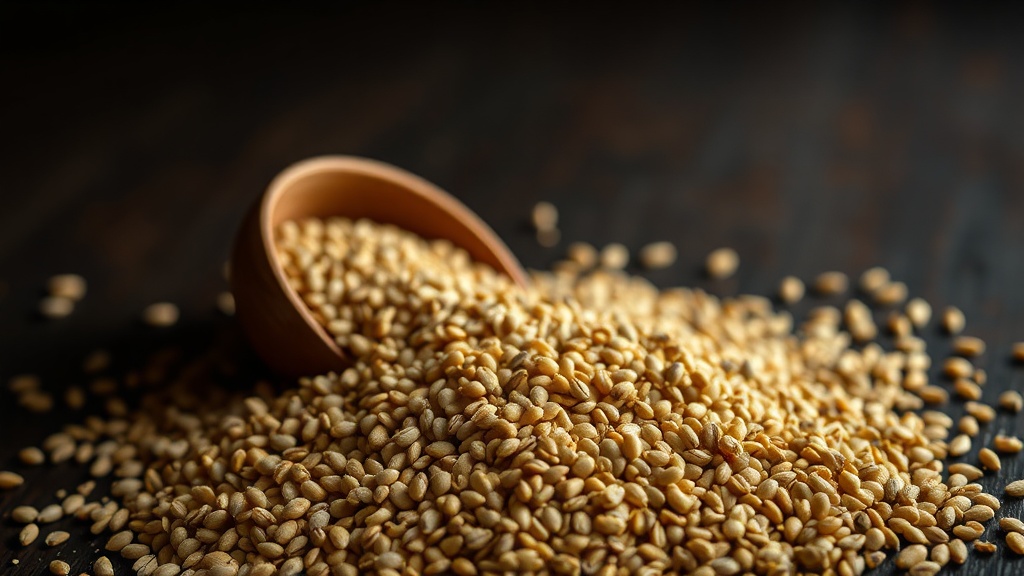
Sesame seeds (Sesamum indicum) and pumpkin seeds (Cucurbita pepo) are the heavy hitters of the seed world. When toasted, sesame seeds undergo a chemical transformation known as the Maillard reaction, which develops a brittle, snappy texture. This is ideal for topping a warm bowl of cauliflower rice or a savory cabbage slaw. Pumpkin seeds, or pepitas, offer a much denser, more substantial crunch. They are structurally sturdier, making them a perfect replacement for croutons in a Caesar salad or as a topping for roasted root vegetables.
2. The Micro-Pop: Chia and Hemp Hearts
Chia seeds (Salvia hispanica) are unique because they are hydrophilic; they absorb up to 12 times their weight in liquid, creating a gelatinous coating. This provides a "mucilaginous" texture that is excellent for thickening puddings or creating a "gel" for keto-friendly baking. Hemp hearts, on the other hand, do not swell significantly. Instead, they offer a soft, nutty "pop" that is much more subtle. They act as a bridge between the liquid and the solid, adding a layer of complexity to smoothies or grain-free porridges.
3. The Granular Texture: Flax and Poppy Seeds
Flaxseeds (Linum usitatissimum) and poppy seeds (Papaver somniferum) are much smaller and function more as textural accents. Whole flaxseeds have a distinct, slightly slippery snap, while poppy seeds provide a fine, granular sensation. These are best used in much higher volumes to ensure the texture is felt rather than just noticed, such as in a crust for a salmon fillet or folded into a low-carb muffin batter.
Techniques for Maximum Flavor and Texture
Simply sprinkling raw seeds onto a meal is a missed opportunity. To truly elevate your food, you must treat seeds as a culinary ingredient that requires preparation. The goal is to maximize both the nutritional bioavailability and the structural integrity of the seed.
The Dry Toast Method
Toasting is the most effective way to transform a dull seed into a culinary highlight. Use a heavy-bottomed cast iron skillet over medium-low heat. For sesame seeds, add them to the dry pan and move them constantly with a silicone spatula. You are looking for a change in color from ivory to a deep golden amber and a noticeable release of aromatic oils. For larger seeds like pumpkin or sunflower, you can increase the heat slightly, but watch closely to avoid scorching, which creates a bitter aftertaste.
The Infused Oil Method
If you want a more luxurious mouthfeel, try "blooming" your seeds in fat. This is a technique often used in high-end professional kitchens. Heat a tablespoon of avocado oil or ghee in a small pan and add your seeds (such as cumin or fennel seeds, which are technically seeds used as spices). This coats the seeds in a lipid layer, which not only carries flavor more effectively but also creates a smoother, less abrasive texture when eaten. This is particularly useful when adding seeds to soft dishes like braised greens or mashed cauliflower.
The "Gel" Technique for Binding
When baking or making thick breakfast bowls, use the hydration power of chia seeds. To create a perfect chia pudding or a binder for a low-carb "bread," mix 3 tablespoons of chia seeds with 1 cup of unsweetened almond or coconut milk. Let it sit for at least 20 minutes, or ideally overnight in the refrigerator. This creates a structured, spoonable consistency that provides a satisfying weight to your meal without the need for flour-based thickeners.
Practical Applications: Elevating Daily Meals
It is easy to talk about theory, but the real magic happens in the kitchen. Here are three specific ways to integrate these textures into your routine to ensure you never feel "bored" by a low-carb diet.
- The Savory Grain-Free Bowl: Instead of a grain-based Buddha bowl, start with a base of riced broccoli or sautéed kale. Add a protein like grilled halloumi or soft-poached eggs. To provide the necessary structural contrast, top the bowl with a heavy hand of toasted pumpkin seeds and a sprinkle of hemp hearts. The softness of the egg yolk against the crunch of the pepitas creates a professional-grade mouthfeel.
- The Texture-Rich Salad: A standard green salad can often feel "thin" or watery. To add substance, incorporate a "seed crust" to your protein. Press crushed sunflower seeds onto a piece of chicken or salmon before searing. This provides a high-fat, high-crunch exterior that offsets the lightness of the greens. If you are looking for more pantry inspiration, check out these low-glycemic pantry staples to build a well-rounded kitchen.
- The Nutrient-Dense Breakfast: Move beyond the plain yogurt. Create a "crunch bowl" by layering unsweetened coconut yogurt with a mixture of chia seeds (soaked) and toasted sesame seeds. The combination of the gelatinous chia and the nutty sesame creates a complex, layered experience that keeps you satiated longer.
Nutritional Synergy: Beyond the Texture
While we are focusing on the sensory experience, it is important to remember why these seeds are nutritional powerhouses. Most ancient seeds are exceptionally high in healthy fats—specifically monounsaturated and polyunsaturated fats—which are essential for hormonal health and brain function. For those managing blood sugar or inflammatory responses, the high fiber content in seeds like chia and flax is a critical tool for slowing glucose absorption.
When you choose to add texture through seeds rather than processed starches, you are performing a double win: you are satisfying your psychological need for "crunch" while simultaneously providing your body with the micronutrients it requires to thrive. This is the essence of conscious eating—choosing ingredients that serve both the palate and the physiological needs of the body.
"Texture is the silent partner of flavor. Without it, even the most seasoned dish can feel one-dimensional. By mastering the use of seeds, you aren't just adding calories; you are adding architecture to your meals."
As you navigate your journey toward a more balanced way of eating, remember that food should be an exploration. Don't be afraid to experiment with the ratios of soft to crunchy, or smooth to granular. The goal is to create meals that feel complete, intentional, and, most importantly, deeply satisfying.