The Pantry Reset I Wish I Had Before Every Busy Week

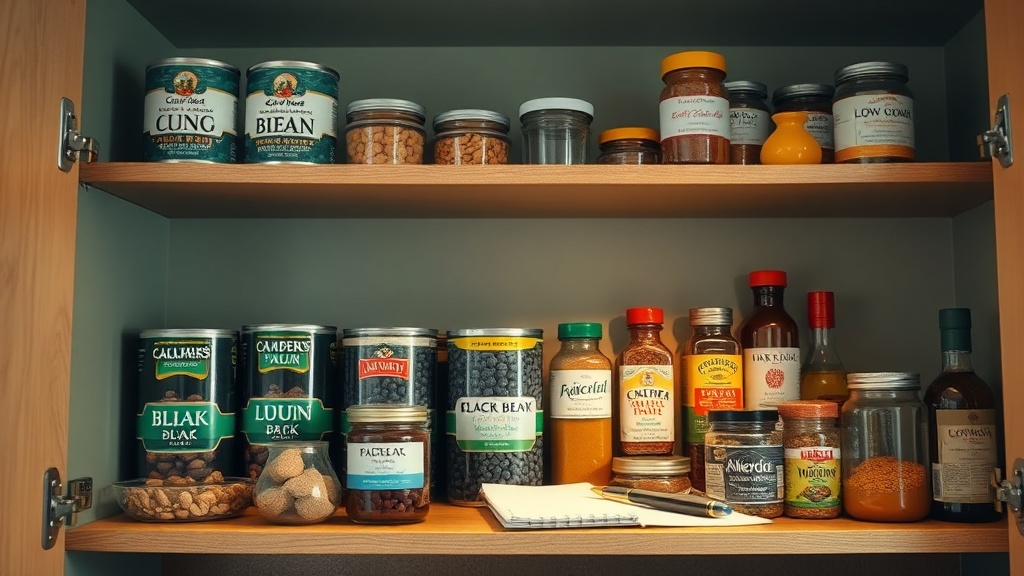
Y'all, if I can be annoyingly honest, a lot of low-carb success starts before the recipe does.
It starts at the shelf.
I used to panic-buy every time spring came around and my schedule started looking like a plate of spaghetti thrown in a blender. Then I made a grocery run, came home with kale, and three random protein bars, and wondered why I was still starving by 3 p.m.
Not because my body was broken.
Because my pantry was a rumor.
So I rebuilt it.
And I learned that if you can make your pantry boringly functional, your week gets way less stressful.
Here’s the exact framework I use to keep low-carb eating realistic with family meals, not theoretical perfection.
The rule that changed my grocery life
I keep this simple:
Every pantry item must solve at least one of four needs.
- Build protein fast
- Add fiber and volume without sugar chaos
- Rescue a failed dinner in under 15 minutes
- Cover a forgotten dinner for at least one extra person
If an item does not do one of those things, it goes in my cart only if I specifically need it for a recipe that week.
The 14 pantry items I actually use
1) Canned chickpeas (small can or two)
I know this sounds dramatic for low-carb. I’ll be real: I don’t live on chickpeas.
But when you need a big, hearty bean-leaning salad or low-carb version of a Mexican bowl at speed, they are useful. In my system, they are a protein + bulk partner, not a carbohydrate excuse.
- I use them in low-carb refried bean swaps (2 heaping tbsp, not full 3/4 cup)
- I never use dry beans for weeknight rescue because I’m not trying to become a sous vide engineer at 6:40 p.m.
My practical rule: One small can at max, and a clear label note on my own cup that these are a planned carb add-on.
2) Canned black beans
Same logic as chickpeas, but better for texture.
One cup cooked can feel huge on paper. But in real kitchens, it turns watery casseroles into meals that satisfy the person in the room who says, “I’m not hungry but I’ll eat whatever if it’s not weird.”
If I’m tired and home late, black beans plus eggs plus salsa is a complete meal architecture.
3) Canned tuna (in water)
My absolute chaos hero.
- Tuna + mayo + chopped pickles + celery is lunch with zero shame.
- Tuna + shredded greens + hard-boiled egg = taco shellless burrito bowl.
- Tuna + avocado + lime + chili flakes = one of the most reliable dinner fills.
You can build 4–5 meals from one can if you’re smart.
4) Canned tomatoes
I’m not talking restaurant pass sauce — I mean packed diced tomatoes.
Everything from soups to scrambled egg-finish sauces to skillet hash gets richer with this in the pan, and it stores long enough that you stop improvising from panic mode.
5) Canned green chiles (or poblano if you’re lucky)
No. You do not have to be a chef to understand flavor. You just need heat.
This jar gave me way fewer “does anyone want to eat this again?” moments.
6) Canned coconut milk
People call it a “fat crate,” but it’s really texture control. In two minutes you can make creamy soups, curries, sauces, and high-fat dips that don’t read like dessert.
Use the unsweetened kind, full stop.
7) Canned chicken broth (unsalted)
It keeps me from making “liquid disappointment” dishes.
I cook rice alternatives, soups, braised greens, and “I forgot what to make at 8:30 p.m.” solutions in this.
8) Canned lentils (for specific goals)
I don’t hate lentils. I just reserve them for specific uses.
My rule: split, measure, and treat like a side car.
I’m watching carb density closely for PCOS management, so a small spoonful is usually enough for most families. Not all days, not all goals, and not all plates.
9) Canned coconut oil / olive oil / avocado oil (rotation)
You cannot skip fats in a low-carb plan and expect satiety.
These three are not glamorous, and that’s exactly why they matter.
I keep one neutral, one high-flavor, one for finishing. This avoids repetitive cooking and keeps dinner faster.
10) Salsa and tomato salsa verde (choose 1–2 brands)
Because your meals should taste like food, not a diet spreadsheet.
I’ve tested enough labels to know this:
- choose no added sugar when possible
- know carb density so you can fit it in your portion targets
- don’t throw away what your family likes
11) Canned sardines or salmon
If you can stand the fishy confidence. This one changes everything when protein is a headache.
I keep one can in the pantry rotation for emergency bowls, salad toppings, and one-pan protein days.
12) Canned artichoke hearts
No one warns you about this: they are an underrated texture saver.
Chopped into salads, folded into scrambled eggs, chopped into chicken skillet, these can make a meal feel homemade and stop the “where’s the extra?” panic.
13) Canned coconut aminos and a good soy sauce substitute
Flavor is not a luxury.
When dinner is “protein + frozen veggie” and you need it to taste good, this keeps us eating from the plan.
14) Canned pumpkin / unsweetened pumpkin puree
I keep this because fall or no fall, it makes sauces thicker and makes low-carb baking feasible when family cravings spike.
Use tiny measured amounts. It is not for every bowl.
Pantry workflow: what I do on Sunday (15 minutes)
Most people ask me for a “shopping list template.”
I do a pantry reset instead.
Step 1: Date-stamp and rotate
I pull every can I open in the last 30 days. Not the one in the corner because “I’ll use it someday.”
If it has been hanging around for two months, it likely leaves.
Step 2: Protein-before-flavor priority
I keep all protein-carrying cans at the front: tuna, beans, sardines, tomatoes, broth, coconut milk.
If the week starts with protein chaos, flavor falls apart by lunch.
Step 3: Carb budget by label, not by hope
I do this before the cart:
- I mark a “default carb cap per meal” on a paper note
- any pantry item over that cap goes into the planned add-on basket, not “grab anything” basket
This keeps me from feeding the house on a spreadsheetless impulse.
Step 4: Match one emergency recipe per pantry group
- protein: tuna-mayo salad cups
- fiber/volume: tomato/chile soup in a bowl
- fat flavor: coconut curry skillet
- starch buffer: a bean-assisted fry-up if needed
If I can point to one fallback for each group, I don’t get stuck.
“What if I’m already out and I’m already late?” panic protocol
You can use this exact order:
- Frozen protein + 2 fresh vegetables
- Broth + canned tomatoes
- Two low-carb fat boosters (olive oil, avocado oil, cheese, mayo)
- One flavor base (salsa, pesto, soy sauce, chili paste)
- One fiber anchor (greens/vegetables)
That’s it.
This is my five-item rescue sequence. We call it the “good-enough and still worth it” formula.
The budget reality check
I keep this simple by meal style:
- Weeknight rescue meals: $2–$4 per serving
- Family dinner fallback: $5–$7 per serving (with some fresh ingredients)
- No-restaurant option: about half the cost of a chain meal even with the same flavor base
If that sounds vague, that’s intentional.
I’d rather give you a range you can scale than a price card that lies in one city and fails in another.
Pantry mistakes I used to make (and you can skip)
Mistake 1: I bought everything to feel prepared
Result: clutter, expired cans, decision fatigue.
Now I buy less and replace essentials weekly.
Mistake 2: I treated all bean packages as equal
Not all pantry carbs are created equal. I treat high-fiber whole foods and highly processed alternatives differently.
Mistake 3: I forgot satiety science
If you skip fat and protein when trying to lower carbs, dinner becomes a negotiation. The pantry should support fullness, not just restriction.
What I recommend for your first reset this weekend
- Pick your 14 from this list, then buy only 7 full-size versions and 4 “trial” versions.
- Open a notebook and assign each to one meal you can build in under 20 minutes.
- Set a two-night rotation with your leftovers.
- Toss the can if it can’t make one meal in your rotation within 10 days.
If you only do one thing this weekend, do this: reduce your pantry to the essentials and assign each item one exact use.
That’s boring. And that’s the point.
Low-carb doesn’t need a complicated hero ingredient list.
It needs a reliable fallback list.
And yes, I still eat with my family, sometimes at places where this entire process takes a back seat.
That’s exactly why your pantry matters: it keeps the everyday days easy so you can stay calm when life drops out of the recipe.
This content is for educational and informational purposes only and is not medical advice. For personalized nutrition guidance around insulin resistance, PCOS, or any medical condition, please talk with your doctor or registered dietitian.