The One Low-Carb Cooking Shift That Instantly Cuts Hidden Sugars From Your Meals

Most people trying to reduce carbs focus on obvious offenders: bread, pasta, desserts. That’s necessary—but it’s not where the real battle is won. Hidden sugars sneak into sauces, marinades, dressings, and even "savory" staples. If you fix one thing, fix this: stop relying on pre-made flavor bases and start building your own low-carb flavor system.
The Single Shift That Changes Everything
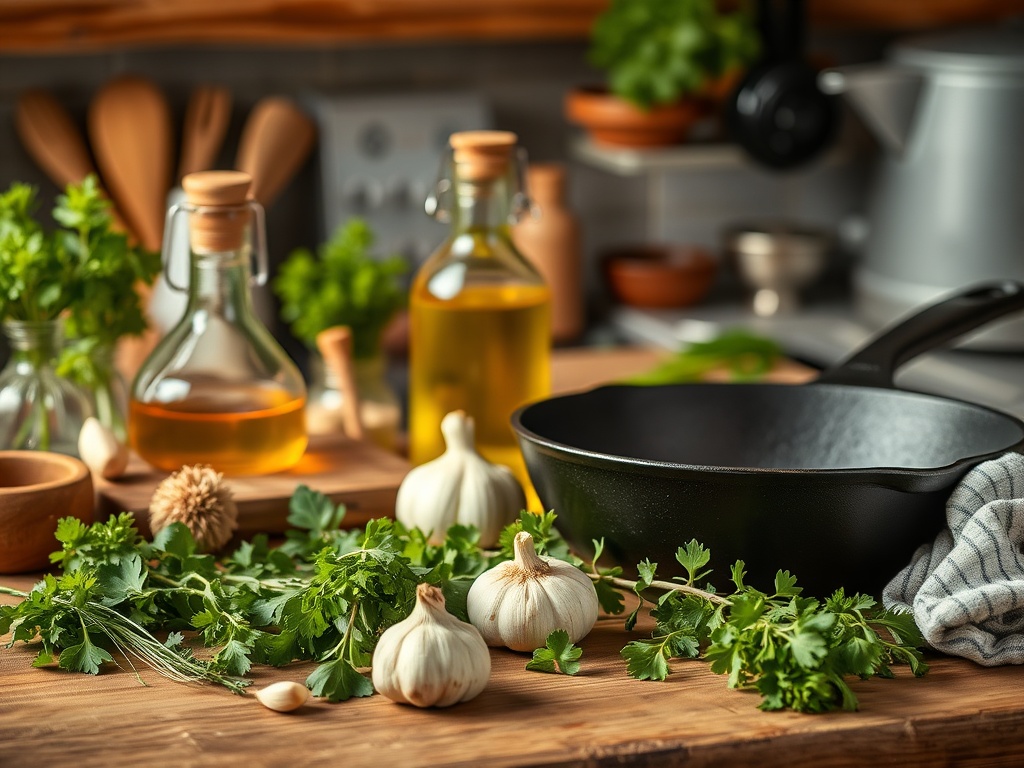
The fastest way to cut hidden carbs isn’t a complicated meal plan—it’s replacing bottled sauces and seasoning mixes with simple, repeatable flavor formulas you control.
Why? Because store-bought products are engineered for taste consistency, not metabolic impact. Sugar, starches, and fillers stabilize flavor and texture. Even "healthy" options often contain honey, agave, or fruit concentrates.
When you switch to a DIY approach, you remove that entire layer of uncertainty. You also gain flexibility, because low-carb cooking is less about restriction and more about substitution and structure.
What Hidden Carbs Actually Look Like
Hidden carbs aren’t always labeled clearly. They show up under names like:
- Maltodextrin
- Dextrose
- Modified food starch
- Corn syrup solids
- Fruit juice concentrate
These ingredients spike carbs quickly, even in small amounts. A tablespoon here, a drizzle there—it adds up across meals.
Your New Default: The 3-Part Flavor System
Instead of recipes, think in components. Nearly every great low-carb dish can be built from three elements:
- Fat base (olive oil, butter, avocado oil)
- Acid (vinegar, lemon juice)
- Intensity (herbs, spices, garlic, mustard)
This combination creates depth without relying on sugar. It also works across proteins and vegetables.
Example: Replace Bottled Dressing
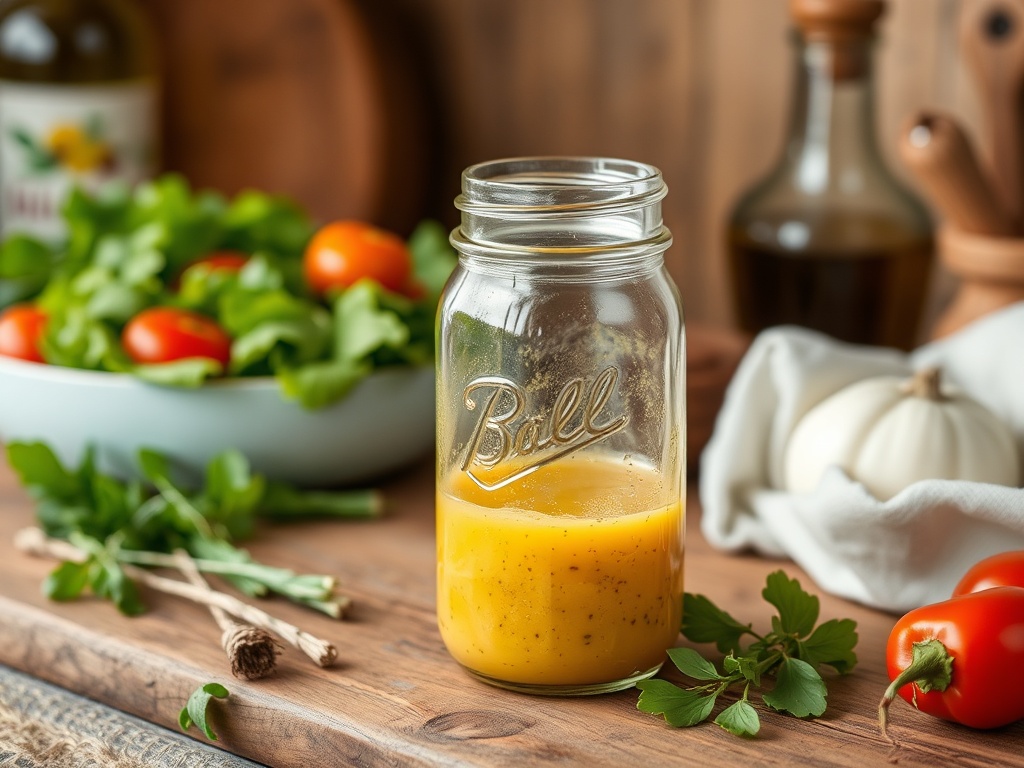
Instead of a store-bought vinaigrette, mix:
- 3 tbsp olive oil
- 1 tbsp apple cider vinegar
- 1 tsp Dijon mustard
- Salt, pepper, dried oregano
No sugar. No fillers. Same satisfaction.
Example: Replace Stir-Fry Sauce
Instead of sugary teriyaki or "low-fat" sauces:
- Soy sauce or coconut aminos (watch labels)
- Garlic and ginger
- Sesame oil
- Chili flakes
You’ll get bold flavor without hidden carbs.
Why This Works Better Than Tracking Everything
Tracking macros can help, but it’s reactive. You log after the fact. This method is proactive—you eliminate entire categories of hidden carbs before they reach your plate.
It also reduces decision fatigue. Once you internalize a few flavor combinations, you stop needing recipes for every meal. That’s where consistency comes from.
How to Build the Habit in 7 Days
Day 1–2: Replace dressings and sauces at home. Don’t aim for perfection—just remove bottled options.
Day 3–4: Learn 2–3 go-to combinations (e.g., garlic butter, lemon herb, spicy sesame).
Day 5–6: Apply those combinations to different proteins (chicken, beef, tofu, fish).
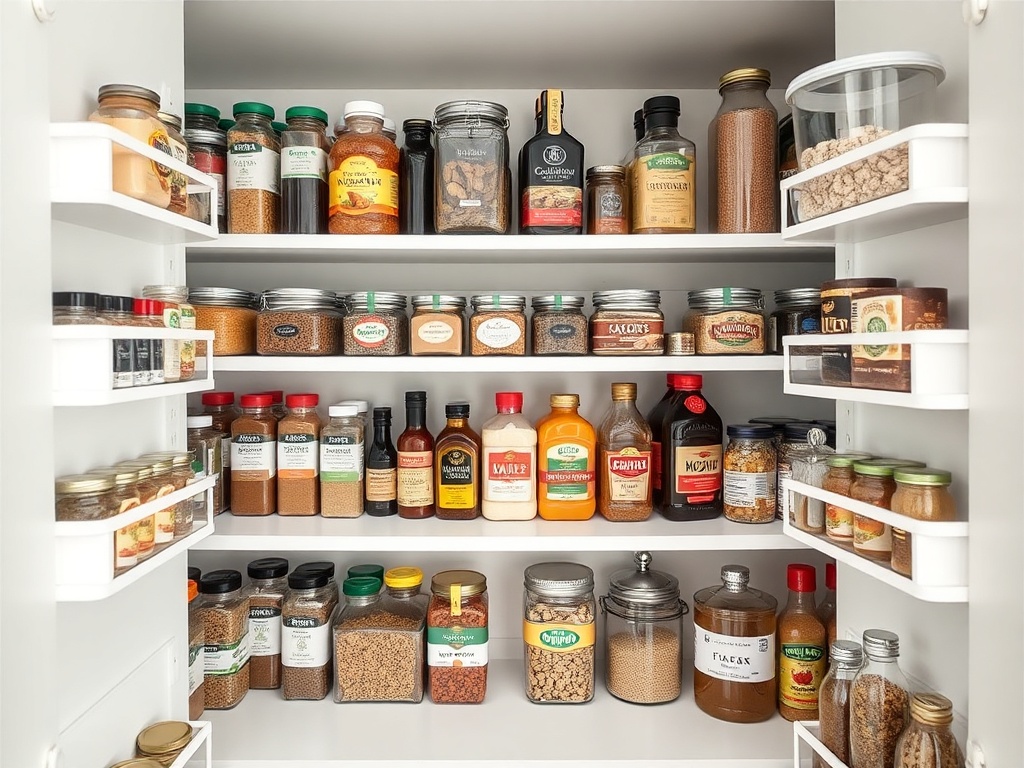
Day 7: Audit your pantry. Remove anything with added sugars or starch fillers.
The Psychological Edge
This shift does something subtle but powerful: it moves you from passive consumer to active builder. You stop trusting labels and start trusting your process.
That change makes low-carb sustainable. You’re no longer "on a diet"—you’re operating with a system.
Common Mistakes to Avoid
- Overcomplicating it: You don’t need 20 ingredients. Start with 4–5.
- Ignoring labels on "healthy" swaps: Many keto-branded products still sneak in carbs.
- Skipping fat: Fat carries flavor. Without it, meals feel unsatisfying.
Where This Pays Off Fastest
If you apply this one shift, you’ll notice immediate changes in:
- Salads (dressings are a major carb source)
- Stir-fries (sauces are often sugar-heavy)
- Grilled proteins (marinades can be loaded with sugar)
Fix these three areas and you eliminate a surprising percentage of hidden carbs from your diet.
The Bottom Line
You don’t need a complicated low-carb strategy. You need a reliable default.
Build your own flavor instead of buying it. That one change removes hidden sugars, improves meal quality, and makes low-carb eating feel natural instead of restrictive.
Once this becomes automatic, everything else—meal planning, grocery shopping, consistency—gets easier.