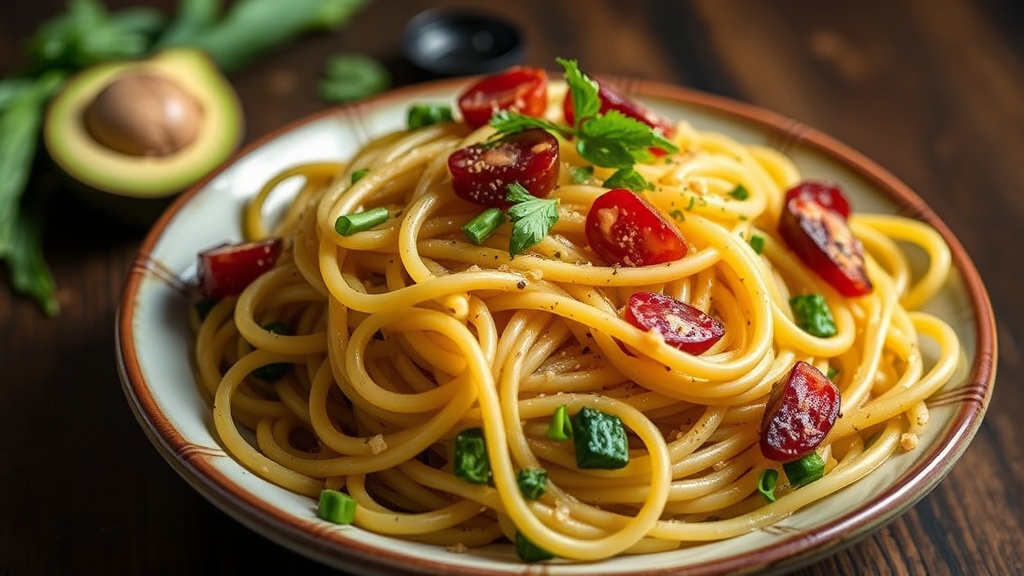
Swap Pasta for Zoodles: The Ultimate Low-Carb Hack

Quick Tip
Salt your zucchini noodles and let them drain for 10 minutes before cooking to prevent soggy zoodles.
The Numbers That Matter
This post covers how to substitute zucchini noodles (zoodles) for traditional pasta to significantly reduce carbohydrate intake while maintaining satisfying meal volume. Whether managing blood sugar, following a ketogenic plan, or simply looking to increase vegetable consumption, this single swap can cut net carbs by approximately 90% per serving without sacrificing the pasta-eating experience.
One cup of cooked spaghetti contains roughly 43 grams of carbohydrates and 221 calories. One cup of raw zoodles contains approximately 4 grams of carbohydrates and 19 calories. For someone aiming to stay under 50 grams of net carbs daily, a single pasta portion consumes nearly the entire budget. The same volume of zoodles leaves room for vegetables, proteins, and healthy fats throughout the day.
Creating Zoodles That Actually Work
The tool makes the difference. The Paderno World Cuisine 3-Blade Spiralizer ($25-$30) produces consistent, spaghetti-width strands that hold sauce better than thinner julienne cuts. The OXO Good Grips Handheld Spiralizer ($15) works well for single servings but requires more effort. Avoid pre-packaged zoodles when possible—they cost 3-4 times more and often contain preservatives that affect texture.
Choose zucchini measuring 8-10 inches long and 1.5-2 inches in diameter. Oversized zucchini (wider than 2.5 inches) develop woody cores and excess water content. Leave the skin on for structural integrity and added fiber.
Cooking Technique
Overcooking ruins zoodles. They require 60-90 seconds in a hot skillet with 1 teaspoon of olive oil—no boiling water necessary. Salt them beforehand, let them rest in a colander for 10 minutes, then squeeze with a clean kitchen towel. This removes excess moisture that would otherwise water down the sauce.
For hot dishes, toss zoodles into the pan with your sauce for the final 60-90 seconds of cooking. For cold dishes like pasta salad, blanch them in boiling water for 30 seconds, then shock in ice water to maintain crunch.
Three Recipes That Convert Skeptics
- Carbonara: Whisk 2 egg yolks, 1/4 cup grated Pecorino Romano, and black pepper. Toss with hot zoodles off heat. The residual warmth creates the sauce without scrambling the eggs.
- Pesto Primavera: Blend 2 cups basil, 1/3 cup pine nuts, 2 garlic cloves, 1/2 cup olive oil, and 1/3 cup Parmesan. Toss with raw zoodles, cherry tomatoes, and fresh mozzarella.
- Garlic Butter Shrimp: Sauté 1 pound shrimp with 4 tablespoons butter and 4 minced garlic cloves. Add zoodles, lemon juice, and red pepper flakes. Total cook time: 8 minutes.
Sauce Compatibility
Oil-based sauces coat zoodles more effectively than cream-based alternatives. Alfredo and carbonara work when thickened with extra Parmesan. Marinara requires reduction—simmer it down until it coats the back of a spoon, or the water content from the zucchini will thin it further.
Storage and Meal Prep
Uncooked zoodles keep in the refrigerator for 3-4 days when stored in a paper towel-lined container. Freeze spiralized zucchini flat on a baking sheet first, then transfer to freezer bags. Thawed zoodles work best in soups or casseroles where texture matters less.
For packed lunches, pack sauce and zoodles separately. Combine and microwave for 90 seconds when ready to eat. This prevents the dreaded soggy noodle syndrome that gives vegetable substitutes a bad reputation.