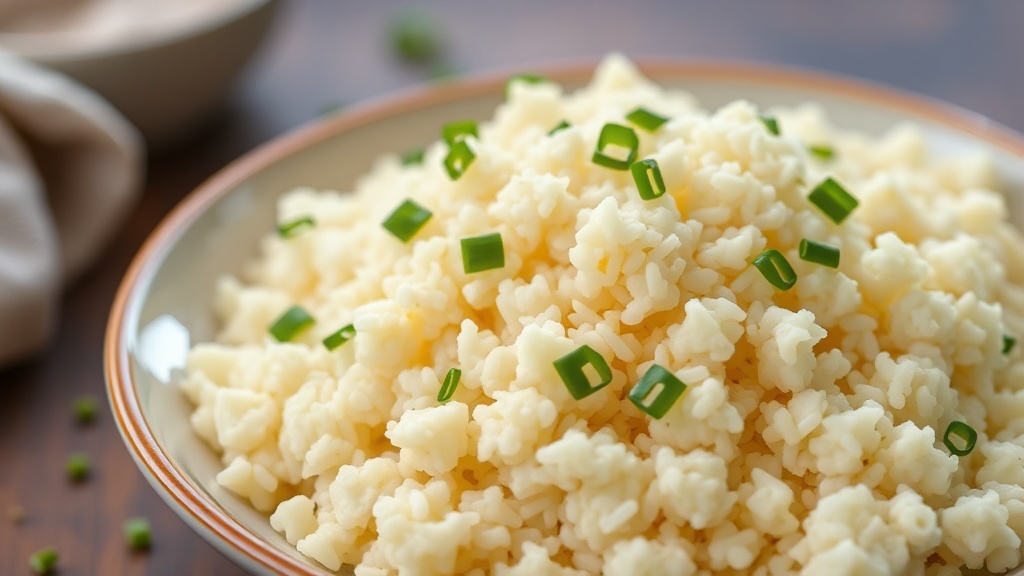
How to Make Fluffy Keto Cauliflower Rice

You will learn the exact techniques required to make fluffy, non-mushy cauliflower rice that mimics the texture of traditional grains. This guide covers everything from choosing the right cauliflower to the specific cooking methods that prevent the common pitfall of watery, soggy results.
The Problem with Most Cauliflower Rice
The most common complaint I hear from people attempting low-carb cooking is that cauliflower rice often turns into a wet, mushy pile of vegetable sludge. This happens because cauliflower has a high water content. When you apply heat, that water is released. If you do not manage the moisture during the preparation and cooking phases, you end up with a texture that feels more like porridge than a side dish. Achieving a "fluffy" texture requires a focus on moisture evaporation and heat control.
In my work as a dietitian, I often see people struggle with satiety when they switch to low-carb diets. If your food texture is unappealing, you are less likely to feel satisfied, which can lead to cravings. Learning to cook vegetables with intention ensures that your meals remain enjoyable and structurally sound.
Choosing and Preparing Your Cauliflower
The quality of your final dish starts with the raw ingredient. You have two main options: fresh cauliflower or pre-riced frozen cauliflower. Both have specific roles in a kitchen.
Fresh Cauliflower vs. Frozen
If you are looking for the absolute best texture, fresh cauliflower is the winner. Fresh cauliflower has a much lower moisture content than the frozen variety. Frozen cauliflower is often blanched before freezing, which introduces extra water into the cells of the vegetable. If you must use frozen, do not thaw it before cooking; cook it straight from the freezer to minimize the time it spends sitting in its own moisture.
The Ricing Process
To make your own, you will need a food processor with a grating attachment or a standard box grater. If using a food processor, pulse the cauliflower in small batches. Do not hold the button down. If you over-process, you will create a puree rather than "rice." You want distinct, grain-sized pieces. If you use a box grater, use the medium shredding side for a more realistic rice texture.
The Essential Step: Removing Excess Moisture
This is the most important step for a fluffy result. Once your cauliflower is riced, place it in a clean kitchen towel or several layers of cheesecloth. Wrap the cauliflower tightly and squeeze the towel over the sink. You will be surprised at how much liquid comes out. This mechanical removal of water is what prevents the "mush" factor during cooking.
Three Methods for Fluffy Cauliflower Rice
Depending on your time and desired flavor profile, you can use the stovetop, the oven, or an air fryer. Each method requires a slightly different approach to ensure success.
1. The Skillet Method (Best for Quick Side Dishes)
The skillet method is ideal if you want to add aromatics like garlic, onions, or spices directly to the rice. This is the fastest way to prepare a side dish for a protein like salmon or steak.
- Heat the Fat: Use a large non-stick skillet or a cast-iron pan. Add 1 tablespoon of high-quality fat, such as grass-fed butter, ghee, or avocado oil.
- Sauté Aromatics: Add minced garlic, shallots, or green onions to the fat first. Sauté for 1-2 minutes until fragrant but not browned.
- High Heat is Key: Turn the heat up to medium-high. Add the squeezed cauliflower rice to the pan.
- Don't Overcrowd: If you are making a large amount, cook it in two batches. If the pan is too full, the steam cannot escape, and the rice will steam rather than fry.
- The "No-Stir" Rule: Let the rice sit undisturbed for 2-3 minutes at a time. This allows the moisture to evaporate and allows the edges to get slightly golden. Stir occasionally, but do not constanty move it around.
- Season at the End: Add salt and pepper at the very end. Salt draws out moisture, so adding it too early can make the rice watery.
2. The Oven Roasting Method (Best for Texture and Depth)
Roasting is the most reliable way to achieve a "toasted" flavor and a firm texture. This method is excellent for meal prepping because the texture holds up well when reheated.
- Preheat: Set your oven to 400°F (200°C).
- Toss with Oil: In a large bowl, toss the riced cauliflower with enough olive oil or melted ghee to coat every grain. The oil acts as a barrier to prevent the rice from sticking and helps with heat transfer.
- Spread Thinly: Use a large rimmed baking sheet. Spread the cauliflower in a single, thin layer. If the layer is too thick, the bottom will be mushy and the top will be raw.
- Roast: Bake for 15-20 minutes. Halfway through, use a spatula to toss the cauliflower to ensure even browning.
- Check for Doneness: The rice is done when the edges are golden brown and the moisture has visibly evaporated.
3. The Air Fryer Method (Best for Speed)
The air fryer is essentially a high-powered convection oven. It is highly effective at drying out the cauliflower quickly.
- Prep: Toss the cauliflower with oil and seasonings in a bowl.
- Temperature: Set the air fryer to 375°F (190°C).
- Cook: Place the cauliflower in the basket. Do not fill the basket more than halfway.
- Shake: Cook for 8-10 minutes, shaking the basket every 3 minutes. This ensures even heat distribution and prevents steaming.
Flavor Profiles and Variations
Cauliflower is a blank canvas. Because it has a relatively neutral, slightly nutty flavor, it can take on many different culinary profiles. Here are three ways to elevate your cauliflower rice from a simple side to a standout meal component.
Mediterranean Style
Sauté your cauliflower with lemon zest, dried oregano, and minced garlic. Once cooked, top with a sprinkle of feta cheese and chopped kalamata olives. This works beautifully alongside grilled chicken or lamb.
Asian-Inspired "Fried Rice"
Instead of traditional white rice, use the skillet method. Sauté the cauliflower with ginger, garlic, and diced scallions. Instead of soy sauce (which can be high in sugar depending on the brand), use coconut aminos. Add a scrambled egg and a drizzle of toasted sesame oil at the very end for a complete, low-carb meal.
Garlic Butter Herb
This is the simplest version for a classic steak dinner. Use plenty of salted grass-fed butter and fresh chopped parsley. The fat from the butter helps provide the mouthfeel that people often miss when they move away from high-carb grains.
Common Mistakes to Avoid
To ensure you never end up with a soggy bowl of cauliflower, keep these three rules in mind:
1. Avoid the Microwave: While the microwave is convenient, it is the enemy of texture. Microwaving cauliflower rice essentially steams it in its own juice, which is the fastest way to achieve a mushy consistency. If you must use a microwave, use it only to soften the cauliflower slightly before transferring it to a pan for a high-heat sear.
2. Don't Salt Too Early: As mentioned previously, salt is a desiccant. It pulls water out of the cells. If you salt your cauliflower before it hits the pan, you will be fighting a losing battle against moisture. Always season at the final stage of cooking.
3. Watch the Volume: One of the biggest mistakes is trying to cook too much at once. If you have four cups of riced cauliflower, do not try to cook it all in one small skillet. The steam will be trapped, and you will end up with a soggy mess. Cook in batches to maintain high heat and evaporation.
Summary Checklist for Success
- Use fresh cauliflower whenever possible.
- Squeeze moisture out using a kitchen towel before cooking.
- Use high heat to evaporate water quickly.
- Do not overcrowd your pan or baking sheet.
- Season with salt only at the very end of the process.
Steps
- 1
Remove excess moisture before cooking
- 2
Use a high-heat pan without a lid
- 3
Avoid over-stirring during the process