DIY Natural Cleaning Solutions for Spring Cleaning: Eco‑Friendly Recipes & Tips

Ever wonder why your kitchen smells like chemicals after you clean? I used to reach for the store‑bought sprays, only to notice a lingering harsh scent and a nagging question: what am I breathing in? This spring, I swapped those toxic bottles for simple, pantry‑staple cleaners that work just as well—if not better—while keeping my home and the planet happy.
Spring cleaning is the perfect time to refresh your space, but it doesn’t have to mean swapping one set of chemicals for another. Below you’ll find easy‑to‑follow recipes using vinegar, baking soda, lemon, and a few essential oils, plus storage tips, safety notes, and a cost‑saving comparison to store‑bought options.
Why Go DIY with Your Spring Cleaning?
DIY cleaners are gentler on indoor air quality, cheaper, and you know exactly what’s in each bottle. As a registered dietitian, I’m always checking ingredient lists—whether it’s food or cleaning products. The less mystery, the better for health.
What Basic Ingredients Do I Need?
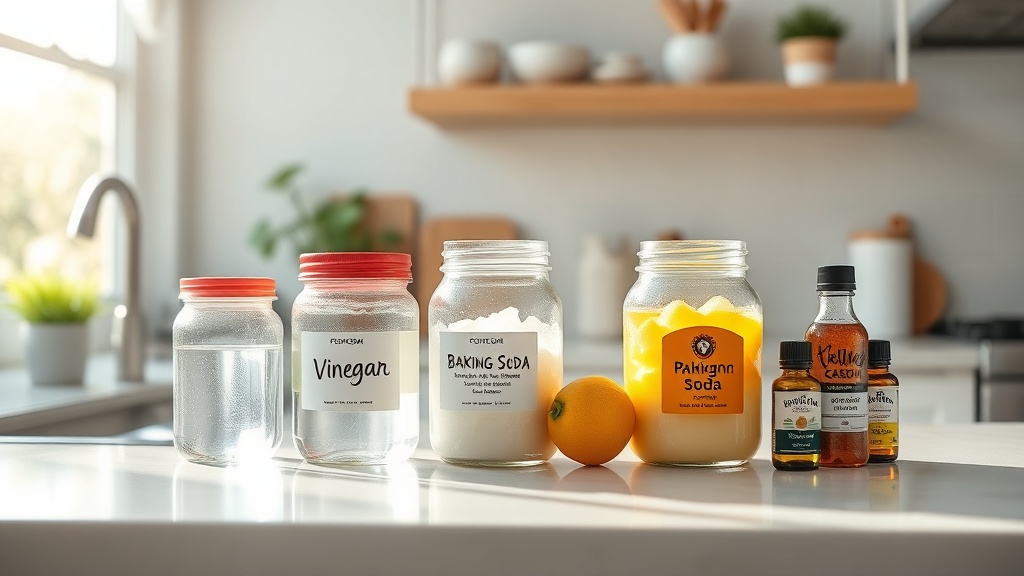
Most of these items already sit in your pantry. Here’s what you’ll use:
- White distilled vinegar (5% acidity) – a natural disinfectant and deodorizer.
- Baking soda – a mild abrasive and odor‑neutralizer.
- Lemon juice – cuts grease and adds a fresh scent.
- Essential oils (optional) – tea tree, lavender, or citrus for extra antimicrobial power and fragrance.
- Water – preferably filtered.
All ingredients are inexpensive, non‑toxic, and biodegradable.
How Do I Make a Multi‑Surface Cleaner?
Ingredients: 1 cup white vinegar, 1 cup water, 10‑15 drops of tea tree essential oil.
- Combine vinegar and water in a spray bottle.
- Add the essential oil and shake gently.
- Label the bottle (see storage tips below).
This solution works on countertops, glass, and stainless steel. For stubborn grime, spray, let sit 5 minutes, then wipe with a microfiber cloth.
What’s the Best Recipe for a Bathroom Scrub?
Ingredients: ½ cup baking soda, ¼ cup liquid castile soap, 10 drops lavender essential oil, enough water to form a paste.
- Mix baking soda and castile soap in a bowl.
- Stir in lavender oil.
- Add water a tablespoon at a time until you have a spreadable paste.
- Apply to tub, tile, or grout, scrub, then rinse.
The baking soda lifts soap scum while the lavender oil leaves a calming scent—perfect for a post‑work shower routine.
How Can I Tackle Greasy Kitchen Surfaces?
Ingredients: 1 cup white vinegar, ½ cup lemon juice, 1 tsp salt, 10 drops orange essential oil.
- Mix all liquids in a spray bottle.
- Spray onto greasy stovetops or backsplashes.
- Let sit 2–3 minutes, then wipe with a damp cloth.
The acidity of vinegar and lemon cuts grease, while the orange oil adds a fresh, citrusy finish.
What Safety Notes Should I Keep in Mind?
- Avoid mixing vinegar with bleach. The reaction releases chlorine gas, which can irritate lungs.
- Test on a hidden spot first. While these solutions are mild, some surfaces (e.g., natural stone) can be etched by acidic cleaners.
- Store out of reach of children and pets. Use child‑proof caps and label each bottle clearly.
- Essential oils are potent. Use only the recommended drops; undiluted oils can cause skin irritation.
How Much Money Can I Save?
Let’s do a quick cost comparison (prices as of March 2026):
| Store‑Bought Cleaner (16 oz) | DIY Equivalent (16 oz) | Monthly Savings |
|---|---|---|
| $5.99 (all‑purpose spray) | $1.20 (vinegar + essential oil) | ≈$4.80 |
| $6.49 (bathroom scrub) | $1.50 (baking soda + castile soap) | ≈$5.00 |
| $7.99 (kitchen degreaser) | $1.80 (vinegar + lemon) | ≈$6.20 |
For a typical household using three cleaners, you could save over $15 per month—more than $180 a year.
How Should I Store My DIY Cleaners?
Proper storage extends shelf life and keeps your space organized:
- Label every bottle. Include the recipe name and date made.
- Use amber glass spray bottles. They protect essential oils from light degradation.
- Keep them in a dedicated cleaning cabinet. Store away from direct sunlight and heat.
- Refresh the mixture every 3–4 months. While vinegar and baking soda are stable, essential oils lose potency over time.
What Are Some Common Mistakes to Avoid?
- Over‑diluting. Too much water reduces cleaning power.
- Skipping the pre‑test. Some finishes (e.g., marble) react poorly to acids.
- Using the wrong essential oil. Tea tree and citrus are antimicrobial; sweet or floral scents are purely aromatic.
- Storing in plastic. Certain acids can leach chemicals from low‑grade plastic.
Where Can I Find More Eco‑Friendly Cleaning Tips?
If you’re hungry for more green‑home ideas, check out my earlier post on Spring Cleaning Your Sleep Environment. It covers decluttering strategies that pair nicely with the cleaning recipes above.
Also, the Pantry Reset post walks you through organizing the ingredients you’ll need for these DIY solutions.
Takeaway
Spring cleaning doesn’t have to be a chemical‑laden chore. With a few pantry staples, a couple of essential oils, and a bit of organization, you can create effective, affordable cleaners that protect your health and the planet. Give these recipes a try, label your bottles, and enjoy a fresher‑smelling home—all while saving money.
Ready to start? Grab a spray bottle, mix up the multi‑surface cleaner, and let the spring sparkle begin!