10 Low‑Carb Restaurant Hacks to Eat Out Without Breaking Your Diet

Ever feel like the menu is speaking a foreign language when you’re trying to stay low‑carb? You’re not alone. I’ve walked into countless restaurants, stared at endless carb‑laden options, and left feeling frustrated. Below are ten proven hacks that let you enjoy a night out without derailing your carb goals.
What’s the easiest way to spot low‑carb dishes on a menu?
Look for keywords like “grilled,” “roasted,” “steamed,” or “sautéed” paired with vegetables, proteins, or salads. Avoid terms such as “breaded,” “fried,” “creamy,” or “sweetened.” For example, a “grilled chicken Caesar salad (no croutons)” is a clear low‑carb win.
How can I ask the server for carb‑friendly swaps?
Don’t be shy—most restaurants are happy to accommodate. Try asking, “Can I have the side of veggies instead of the fries?” or “Could you replace the rice with extra salad?” I’ve found that a polite request often results in a tasty, low‑carb substitution.
Which common menu items can be easily modified?
- Burgers: Skip the bun. Ask for a lettuce wrap or serve it on a portobello mushroom cap.
- Pasta dishes: Request “zucchini noodles” or “spaghetti squash” instead of regular pasta.
- Pizza: Opt for a “crust‑less” or “cauliflower crust” version, and load up on veggies.
- Asian cuisine: Choose “stir‑fry” without sauce, and ask for extra broccoli or bok choy.
What should I bring to the table to stay on track?
Having a small, low‑carb snack in your bag—like a handful of almonds or a cheese stick—can prevent impulse carb cravings while you wait for your meal.
How do I control portion sizes without feeling deprived?
Use the “plate method”: fill half your plate with non‑starchy veggies, a quarter with protein, and the remaining quarter with a modest carb serving if needed. This visual cue keeps portions in check.
Are there any apps or tools that help me stay low‑carb when dining out?
Apps like MyFitnessPal, Carb Manager, and the USDA FoodData Central database let you quickly look up nutrition info for common restaurant dishes. I often pull up the app on my phone and compare the listed carbs before ordering. For official nutrition data, check the USDA FoodData Central.
What’s the best way to handle buffet or all‑you‑can‑eat situations?
Start with a protein and veggies, then circle back for a second helping if you’re still hungry. Avoid the temptation to pile on carb‑heavy stations—focus on the salad bar and grilled stations.
How can I stay low‑carb while still enjoying a drink?
Choose dry wines, spirits with soda water, or zero‑calorie mixers. If you’re at a coffee shop, go for an Americano or cold brew with a splash of heavy cream instead of sugary syrups. Harvard’s Nutrition Source recommends dry wine as a low‑carb option (Harvard Nutrition Source).
What should I do if the restaurant has no obvious low‑carb options?
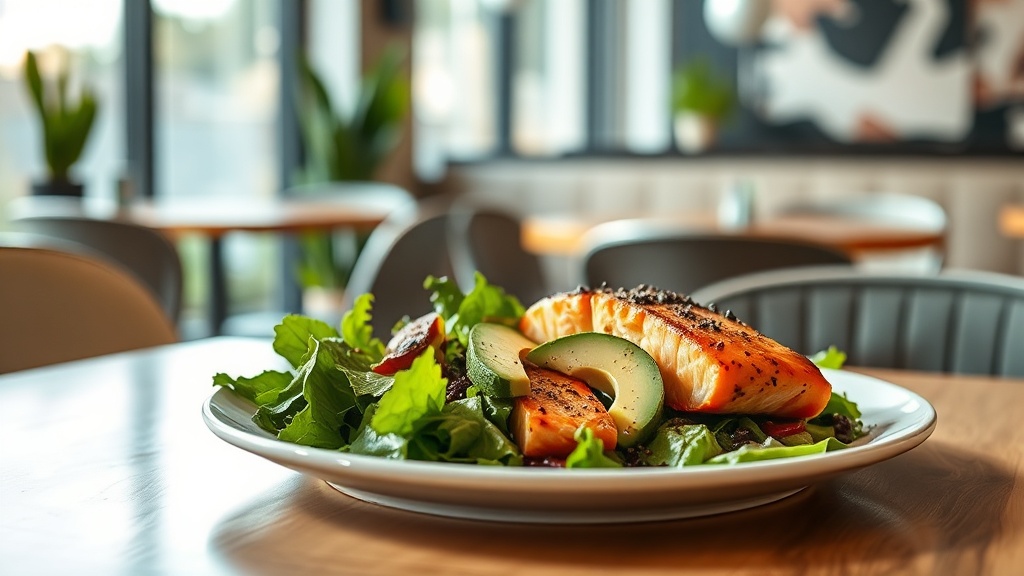
Look for “build‑your‑own” sections—many fast‑casual spots let you customize bowls or salads. Start with a base of greens, add a protein, and top with healthy fats like avocado or olive oil.
How can I keep track of my carb intake after the meal?
Log your meal as soon as you get home. I use Carb Manager’s “quick entry” feature, which lets me input the dish name and automatically pulls the carb count from my saved library.
Need more low‑carb inspiration?
Check out my Low‑Carb Food Trends 2026 for the latest products, and my How to Make Low‑Carb Less Like a Rulebook and More Like a Lifestyle guide for practical mindset shifts. For budget‑friendly grocery tips, see Grocery Shopping for Health. And if you need snack ideas for the next outing, my Top 10 Low‑Carb Snacks has you covered.
Takeaway
Dining out doesn’t have to be a carb‑heavy nightmare. By mastering these ten hacks—spotting key menu words, asking for smart swaps, using the plate method, and leveraging handy apps—you can enjoy your favorite restaurants while staying true to your low‑carb lifestyle. Next time you’re planning a night out, keep this cheat sheet in your pocket and eat confidently.